Office Burst Pipe Repair
Commercial Office Plumbing
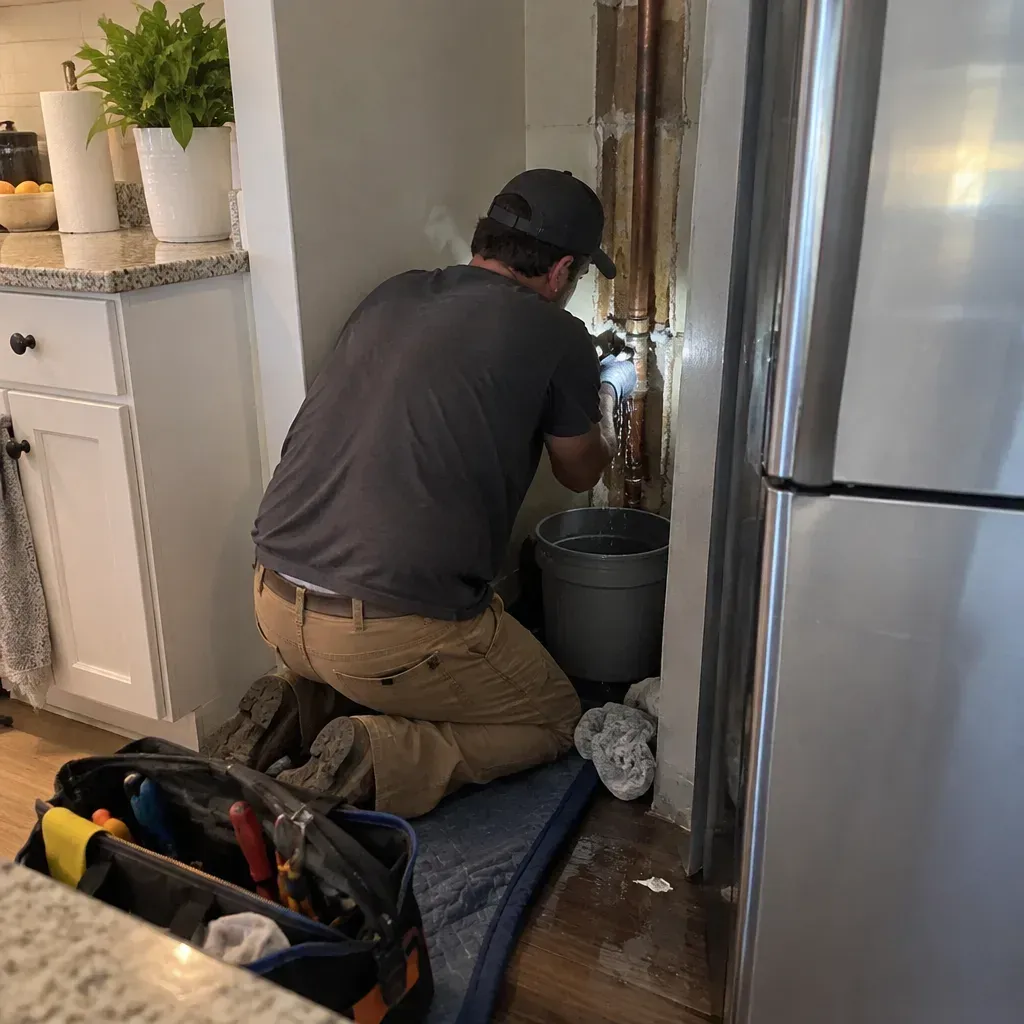
Plan campus access and water isolation around occupied rooms while the damaged line is located and repaired.
A plumber coordinates campus entry and a work zone with school staff, then plans water isolation around occupied spaces. After locating the break, the plumber makes a compatible repair, checks it under pressure, and confirms service restoration so staff can reopen the area.
A burst water pipe is a rupture in a pressurized supply line; in a school, the repair plan has to account for people moving through the building as well as the plumbing. In Boulder, a facilities manager can identify the affected rooms, who controls entry, and when those spaces are occupied before the pros we connect you with arrive. The repair starts with safe access and locating the break. If water is near electrical equipment, keep people clear and leave shutoff work to someone who can reach the valve safely.
Give the plumber the campus address, a designated contact, the correct entrance, and the check-in steps required for visitors. Explain whether an escort is needed and which corridors, classrooms, or service rooms are restricted. For a Boulder campus, landmarks such as Chautauqua Park, Mapleton Hill, or Boulder Creek can help distinguish the address during an initial conversation, but the school’s own entry instructions determine where the visit begins. Clear directions reduce avoidable trips through occupied parts of the building.
A stain, drip, or pooling water shows where moisture has appeared, not necessarily where the pipe failed. The plumber traces the supply line and checks accessible areas to locate the break; a concealed section may call for agreed access through a ceiling, wall, or floor. In Boulder, facilities staff can identify rooms below or beside the wet area and report any known building restrictions. Keep students and staff out of unsafe or wet spaces, especially where electrical hazards may be present.
Before water is isolated, the plumber and facilities contact need to identify which fixtures and rooms depend on the affected supply. The line may serve a restroom, laboratory, kitchen, or several areas, so an unplanned shutoff can disrupt more than the space where water appeared. In Boulder, the school contact can help map the affected rooms and flag essential uses. Move nearby supplies and equipment away from visible water to keep them dry while the affected line is being identified.
Choose an isolation window by checking classes, meal periods, events, and other scheduled uses of the affected fixtures. If water must be stopped sooner to limit a continuing leak, the facilities contact can help arrange access and notify the people affected. A Boulder campus schedule may include activity in several buildings, so confirm which services rely on the line before work begins. The aim is to keep the interruption confined to the necessary area and make any change in plans visible to staff.
| Campus zone | Access plan | Water impact |
|---|---|---|
| Site authorization | Confirm Boulder campus contact and approved entry procedure | Access approval and staff escort details |
| Work boundary | Separate repair activity from occupied school routes | Restricted rooms and alternate passage notes |
| Water isolation | Identify fixtures and activities affected by shutoff | Valve location and expected service interruption |
| Work period | Choose access timing with campus operations staff | Approved entry window and coordinating contact |
| Staff communication | Notify affected staff before water service changes | Recipients and areas included in notice |
| Pipe access | Agree on access if the line is concealed | Opening location and facilities approval |
| Repair method | Match replacement parts to the existing pipe | Pipe material, size, and connection type |
| Service check | Check the repaired line before reopening affected spaces | Leak check, flow status, and restoration notes |
With the water controlled and the break located, the plumber examines the pipe’s material, diameter, connection, and condition around the damaged spot. These details guide the choice of compatible parts and the repair method; a fitting meant for a different pipe system can create another leak. In Boulder, facilities records or visible labels may help staff point out the system, but the plumber needs to assess the actual line. The repair may use a suitable connection or replacement section, depending on what inspection reveals.
If the failed pipe is behind a finished surface, agree on the access area before anything is opened. The facilities contact can identify rooms in use, protected equipment, and routes that should stay clear while the plumber reaches the line. At a Boulder school, this coordination helps keep the repair boundary understandable to staff and students. The break may be some distance from the visible water, so access should follow the traced pipe rather than assume the stain marks the exact failure point.
Once the damaged section is exposed, the plumber selects pipe and fittings suited to the installed system, then makes the repair according to that system’s requirements. The condition of nearby pipe can affect whether replacing one section is appropriate or more assessment is needed. In Boulder, the facilities contact can ask what was changed and which connections were made, so the work can be recorded against the right building area. A temporary measure, if used, should not be treated as the completed repair.
During the shutoff and repair, staff need updates about which rooms or fixtures have lost water and whether the affected area has changed. The facilities contact can share that information through the school’s usual channels and direct students away from the work zone. For Boulder campuses with activity across separate buildings, name the affected location clearly rather than relying on a general notice. If the plumber finds a wider service impact, update staff before they send people toward unavailable facilities.
Set the work boundary with the plumber around the access route, tools, and space needed at the pipe. School staff can identify busy entrances, passing routes, and rooms that must remain reachable; the plumber can explain where people need to stay clear. In Boulder, a campus contact should review that boundary as the repair area becomes clearer. If the leak has made a route wet or unsafe, keep students and staff out until the responsible staff determine it can be used again.
After the repair, water can be restored in coordination with the facilities contact. The plumber checks the repaired line under pressure for leakage and confirms that water reaches the intended fixtures. Staff can then verify the service status in affected rooms and communicate which areas are available for normal use. In Boulder, keep access to the repaired location clear while this check is under way; a successful plumbing check does not by itself establish that every nearby surface is dry or ready for use.
Keep a maintenance note with the building location, affected supply, repair performed, parts used, water-service status, and any follow-up still needed. This gives the next facilities contact a clear record if the same area needs attention. In Boulder, separate the plumbing work record from any cleanup or building-finish work: water extraction, drying, and rebuilding may require another provider. The visible wet area may not show the full extent of moisture, so record what remains pending without treating it as part of the pipe repair.
When contacting an independent local plumbing pro about school burst pipe repair in Boulder, describe the affected area, the school’s visitor check-in process, and the schedule constraints. Identify who can approve entry, who will coordinate water isolation, and how staff should receive updates if the service impact changes. Mention nearby references such as Colorado Boulder only when they help clarify the campus location. These details help the pros we connect you with plan access around students and staff before work begins.
Before the visit, decide who will receive the plumber’s findings and maintain the facilities record. Afterward, that person can confirm the repaired line, rooms with restored water, and any areas awaiting separate cleanup or finish work. For a Boulder school, also clarify who will tell staff when the work boundary can be removed. The remaining question is practical: what access does the plumber need to reach the pipe while keeping occupied routes usable?
A school repair depends on more than finding the failed pipe: staff need to know who can open the right spaces, when water can be isolated, and how changes will reach people using the building. In Boulder, a facilities contact can help the plumber map access and choose a work window around classes, meals, and campus routines. If the location is unclear, a nearby reference such as Coal Creek or Waneka Lake Park may help distinguish a campus in the wider service area. Record the isolation point, service interruption, repair, and return to use.
County listings show where Burst Pipe Repair may be offered, but they do not establish service at every home; the pros we connect you with can clarify local reach, includingBlack Hawk, Berthoud and Idaho Springs. When arranging an appointment, clarify whether the initial trip is included or billed on its own for the property.
An office or retail operator can expect a visit-based estimate, using $350–$1,300 for general cost context. Line dimensions and repeat service needs matter; so do concealed-pipe access and the work required to isolate the affected section before making a compatible repair.For a Boulder business, pipe diameter and the length of damaged line affect which compatible parts are needed and how the estimate is shaped. When calling the pros we connect you with, describe the line size if known, the damaged section, and whether access is open or concealed.The pricing guide maps cost drivers; the commercial overview outlines what a commercial assessment considers before repair begins.
Commercial Office Plumbing
Boulder Hospitality Plumbing
Restaurant Pipe Repair
Give the plumbing professional the campus address, the affected building and room, and the staff member authorized to arrange entry. Share any sign-in or escort steps and identify routes that need to stay open. A clear arrival plan helps the plumber reach the work area without searching through active school spaces. In Boulder, facilities staff can also flag class changes or scheduled activities that affect the route.
At a Boulder school, the plumber can coordinate with facilities staff to confirm room access, restricted corridors, and acceptable work windows before opening a ceiling or service space. If classes, meals, or campus events use nearby rooms, staff can route students away and tell occupants which fixtures may be unavailable. The plumber then locates the damaged line, repairs or replaces that section with compatible parts, checks for leaks under pressure, and records the repair.
Log the building and room, the line or valve involved, who coordinated access, when water service changed, and when it returned. Add the repair performed and the plumber’s leak-check result. This gives facilities staff a usable maintenance history for later work and helps administrators understand which campus operations were affected. Keep water removal or building-finish work in its own record if another provider handles it.
The plumber examines the failed area and the pipe system before choosing a repair. Depending on the pipe material, dimensions, connection, and access, the damaged portion may be replaced or a suitable fitting used. The connection must fit the installed system. Once the work is complete, the plumber checks for leaks under pressure and confirms flow before staff return the space to normal use.
Discuss the affected rooms, approved entry, and school schedule with the pros we connect you with before arranging campus access.
Call (303) 565-8339