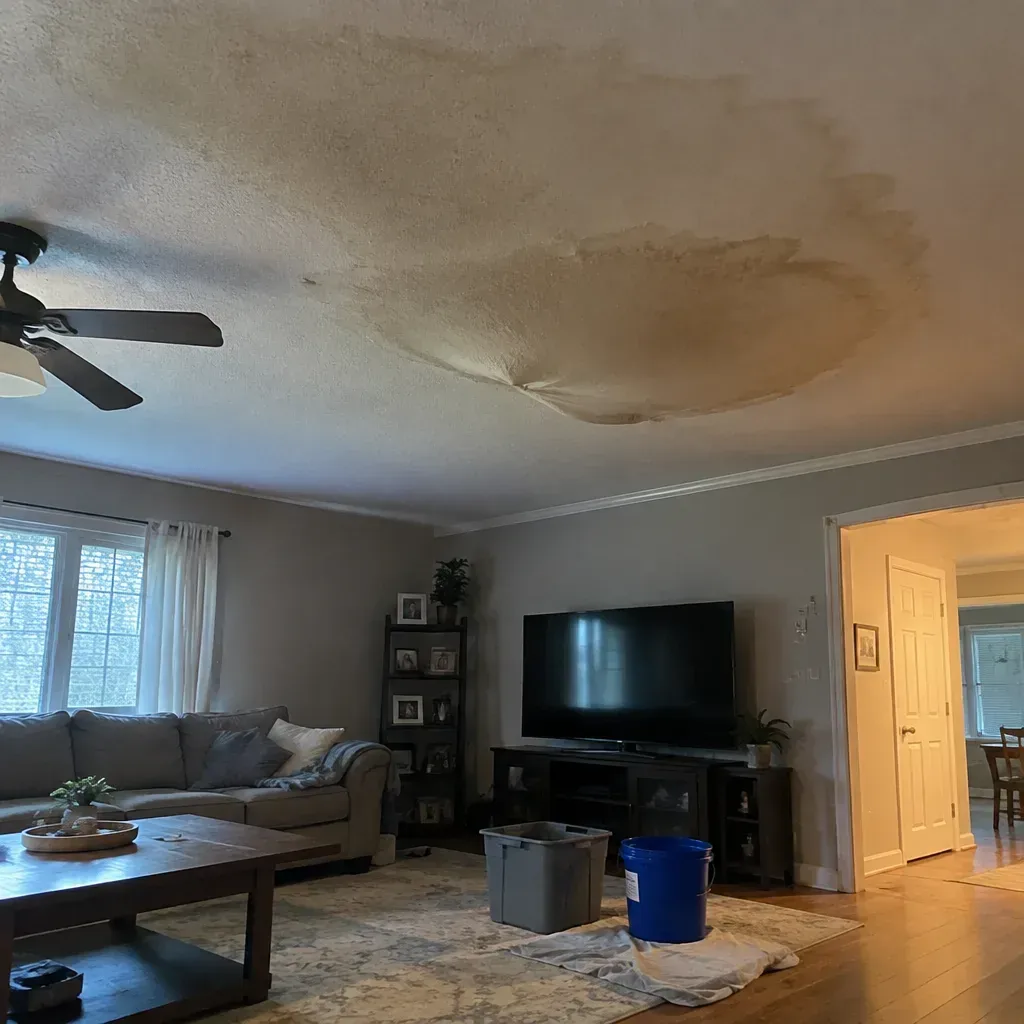
Freezing Water Expands Within Plumbing
Boulder cold-weather guidance flags exposed home pipes as vulnerable during arctic cold. If failures recur after cold exposure, the plumber can compare the affected route and the property's repair history; timing alone does not establish the cause.
Eldorado Springs, Coal Creek, and Waneka Lake help orient the broader area, but those place names cannot show how a Boulder home's supply pipes are routed. A ranch and a split-level each need a property-specific inspection.
In Boulder and throughout Boulder, homeowners contact the pros we connect you with when a water line splits or releases water indoors. A street address helps show whether the property falls within a provider’s service area, since community names alone may not describe the boundary used for a particular home.
Proof Before Closing the Access
- EVENT SEQUENCE
- A marked home layout can show whether reported leaks fall along one accessible branch or appear in separate areas.
- WET AREA MAP
- Pressure readings give the plumber a measurement to weigh alongside pipe condition and the failure history.
- FLOW STATUS
- Visible pipe and connection condition can help compare sections involved in separate reports.
- LINE MATERIAL
- Movement during ordinary water use is one observation the plumber can compare across affected sections.
- PAST WORK
- Earlier invoices may identify the area and materials involved in work before another leak appeared.
- PARTS FIT
- In Boulder, a recurrence after a cold spell or a sharp temperature change is useful timing to record, but does not identify the cause. Note when each leak began and where it appeared, so the plumber can compare events across seasons.
- BREAK LOCATION
- an estimated $125–$500
When Moisture Comes From Elsewhere
Drain leak. It comes from the waste piping that carries used water away from a fixture; a recurring supply failure is on the incoming line. Damp cabinetry can follow either, so the visible spot alone does not identify which pipe is involved. A plumber can follow the visible piping from the fixture: the supply route brings water in, while the waste route carries it away. That route check can distinguish the two even when the first damp spot is beneath a cabinet or behind a wall.
Signs a Supply Line Has Split
The pros we connect you with review repair notes and photos, then inspect accessible supply piping around the reported areas. They look for a shared pattern and decide whether further access is needed to identify the source. Once the cause is clearer, they can explain whether targeted work or a broader replacement is appropriate.
After comparing findings, the plumber explains whether the pattern points to one route or needs a wider review. Any repair or replacement depends on the affected pipe, compatible parts, access, and surrounding condition. Water may need to remain off until the work is checked; drying and rebuilding wet finishes are separate services.
A single appointment can finish the work when the break is reachable, the pipe material is known, and nearby sections appear sound. If inspection finds other vulnerable areas, ask for a follow-up plan tied to those findings. Ongoing visits make sense only when they address a documented condition.
DAMAGED LINE ACCESS COMPARED WITH PLANNED SYSTEM INSPECTION
| Water Flow |
Break Location |
|---|
| A new water-line split, found promptly | Repair pressure verification |
| Leak at a former pipe joint | Cleanup scope boundary |
| Multiple leak points on the same supply run | Split section renewed; flow tested |
Keep People Away From Wet Electrical Areas
A homeowner can organize earlier invoices and mark the reported leak spots on a simple floor plan, without opening walls or handling pipework. If a safe shutoff has been used, leave the supply off rather than restoring pressure to see whether the leak returns; let the plumber assess the system before water is turned back on.
Safe Reach to the Water Control
Ongoing flow can carry water beyond the first leak and increase damage. In Boulder, keep clear of wet areas near electrical equipment; do not touch wet devices. Standing water can make floors slippery, so move carefully around the affected area. If water keeps running or the valve is in an unsafe area, stay clear and get appropriate help.
What Can Add Labor to the Repair Bill?
Have the pros we connect you with review the leak findings, then explain how pipe replacement and site access shape their written estimate.The $350–$1,300 range describes plumbing work tied to the reported break; if opening an affected area reveals more damaged pipe, the repair scope may change. It excludes water extraction, drying, and rebuilding. Ask the licensed pros we connect you with whether reaching the break requires opening a wall or floor.The pricing guide sets out the full cost bands; Burst Pipe Location explains which repair applies to the damaged line.