Corrosion That Thins Pipe Walls
Boulder documents freeze-related burst-pipe risk, making earlier checks of exposed or unheated plumbing useful before cold weather. Near Chautauqua Park, as elsewhere in town, a location alone cannot establish a home's pipe condition or explain a later failure.
In Boulder ranches and split-level homes, supply lines may run through different parts of the building. An inspection can record visible joints, supports, and signs of prior seepage; around Mapleton Hill or Boulder Creek, the route of each home's plumbing still needs individual assessment.
The pros we connect you with hear from property owners in Boulder and across Boulder. Coverage can vary by provider, so the home’s location is the useful starting point for an inquiry. Sharing its street address lets the provider check whether that property is within its service area.
Safe Limits During a Water Leak
- FAILURE TIMING
- A homeowner's notes about earlier drips, forceful flow, or connection leaks can help the plumber assess whether symptoms preceded the rupture.
- PIPE DAMAGE
- The shape and location of a split can guide inspection of nearby joints and connected pipe for related damage.
- STATIC PRESSURE
- A single pipe failure cannot establish excessive pressure; the plumber considers system readings alongside the failure history.
- SECTION REPAIR
- If a regulator is present, its operation can be reviewed after the damaged line is repaired and pressure is assessed.
- PRESSURE CONTROL
- Accessible pipe supports and joints can be checked for signs of strain while the plumber assesses the failed section.
- PARTS FIT
- Boulder's cold season brings freeze-thaw conditions relevant to plumbing; a leak noticed during a thaw may have begun earlier. Before cold weather, note which pipes pass through unheated spaces so those areas can be checked.
- WATER ISOLATION
- an estimated $350–$1,300
Checking the Line After Repair
Water hammer describes a shock in plumbing when moving water stops abruptly. It can draw attention to the same supply system, but a noise and a leaking or split line are different evidence to assess. Water hammer is a shock in plumbing that can follow an abrupt stop in moving water. A noise alone does not establish a pipe rupture; the plumber looks for leakage and examines the pressure history to separate the concerns.
Finding Damage Behind Finished Surfaces
In Boulder, the pros we connect you with trace water to the split, checking concealed pipe if the wet mark lies away from the failure. They inspect the damaged section, then fit compatible replacement pipe and connections. A static pressure reading helps assess whether pressure contributed; they check the repair for leaks and assess regulation if readings remain high.
After isolating the affected line, the plumber removes or repairs the damaged portion using a method and fittings suited to the installed pipe. They restore water and check the repair for leaks. If the history or pressure reading warrants it, they inspect the regulator and discuss appropriate follow-up.
When the failed area is accessible and surrounding pipe is intact, the work can commonly be completed in one appointment. Concealed access or wider deterioration may change that; review the findings, any staged work, and a clear stopping point before arranging repeat visits.
ONE BREAK RESPONSE SET AGAINST CONTINUING PLUMBING OVERSIGHT
| Affected Rooms |
Pipe Material |
|---|
| One pipe rupture, caught at onset | Joint fit selection |
| Dripping resumes along a replaced section | Temporary leak control |
| Damage extends beyond a single pipe segment | Line repaired; delivery verified |
Leave Unsafe Pipe Access to a Pro
For a homeowner in Boulder, Rock Creek, or Lafayette, keep people clear of wet rooms where outlets or appliances may be affected. A dry, clear path to the main valve permits closing it; if water blocks access, stop and wait for help. Note when the leak began and any banging, spurting taps, or recurring fixture trouble. Record a pressure display without changing it.
Separating People from Active Repairs
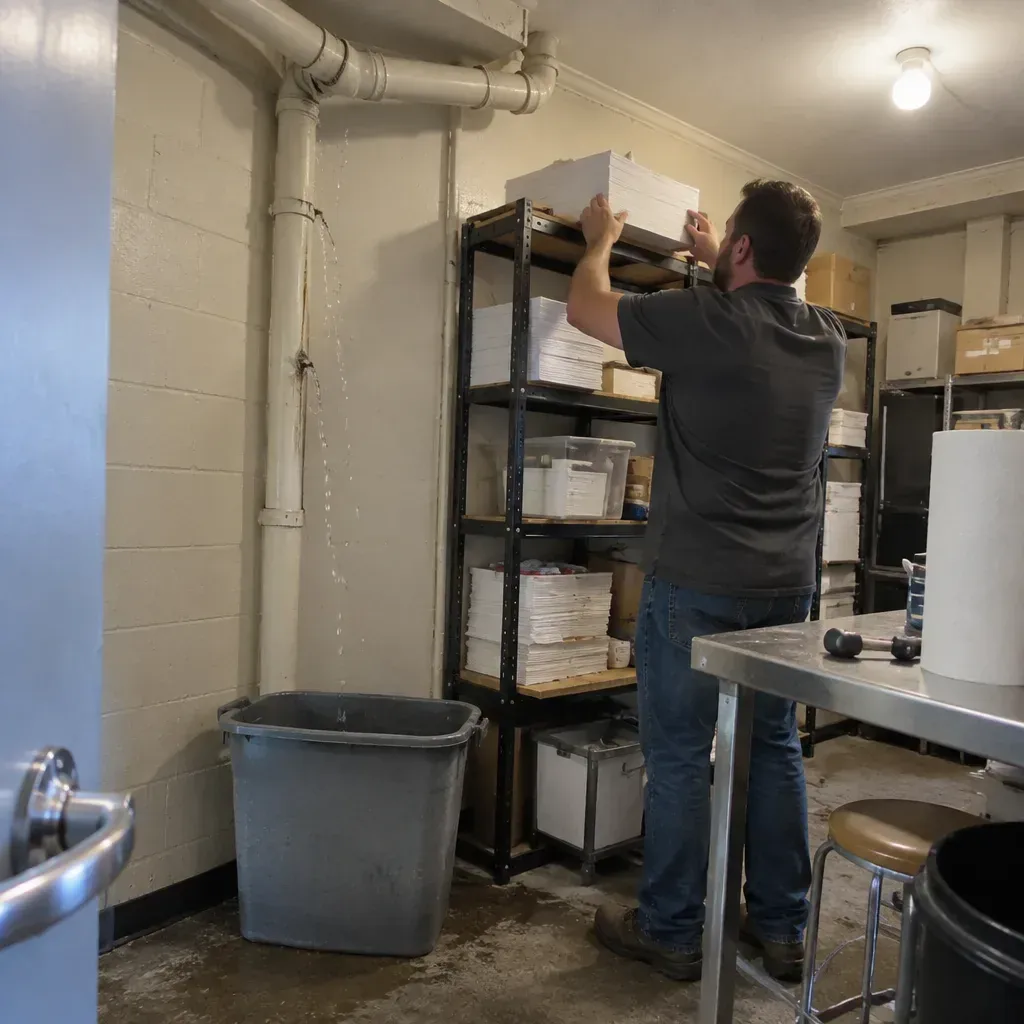
An active break can release pressurized water quickly, creating a slip hazard and allowing moisture to spread into building materials. Keep people out of the affected area, especially where water is near electrical equipment. Keep clear of sagging ceiling panels, which may become unstable when wet.
What Can Add Labor to the Repair Bill?
Have the pros we connect you with review the leak findings, then explain how pipe replacement and site access shape their written estimate.The $350–$1,300 range describes plumbing work tied to the reported break; if opening an affected area reveals more damaged pipe, the repair scope may change. It excludes water extraction, drying, and rebuilding. Ask the licensed pros we connect you with whether reaching the break requires opening a wall or floor.For broader cost bands, consult pricing guide; Emergency Burst Pipe Repair describes the repair path after the break is assessed.