Office Burst Pipe Repair
Commercial Office Plumbing
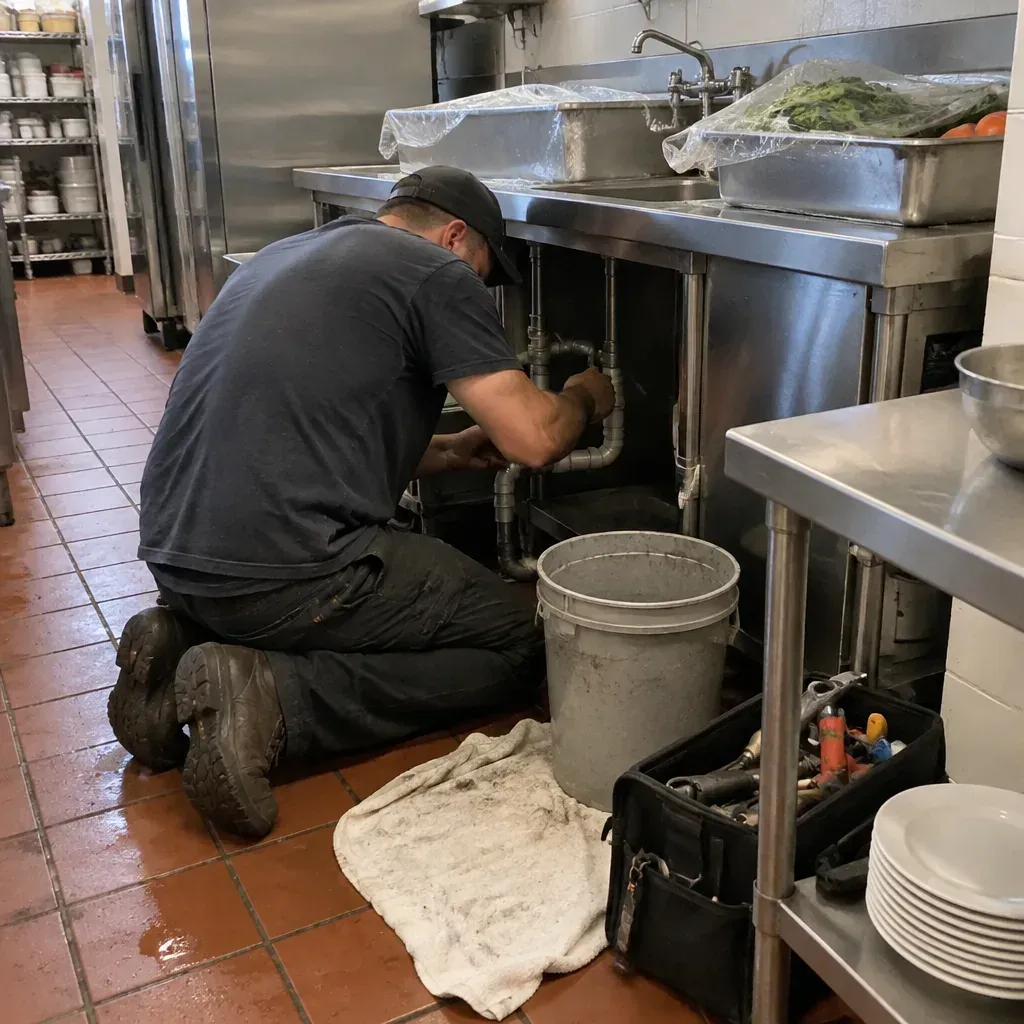
Coordinate restaurant pipe repair around kitchen access, water isolation, and records for each Boulder property.
A plumber locates the failed supply, coordinates safe access, and isolates the line where practical. They repair or replace the damaged pipe with compatible parts, check for leaks, and confirm flow. Restaurant staff can plan around affected fixtures and protect food, equipment, and customer areas.
A restaurant burst pipe can interrupt food preparation and guest service at the same time, so the repair plan has to cover the plumbing and the operating decisions around it. In Boulder, the manager can first mark the affected zone, keep staff and guests clear, and identify any safe route to the pipe. Staff can note which sinks or prep stations have lost water to help narrow the affected branch. The pros we connect you with can use the operating plan to locate the break and coordinate the repair.
When reporting the problem in Boulder, describe what changed at each station: which sinks, dish equipment, or other fixtures lost water, and where moisture appeared first. Tell the plumber whether the area is behind equipment, above a ceiling, or inside a storage space, and explain which doors or aisles must remain available. If the restaurant is part of a group, note whether another property has a related issue. These details help distinguish the immediate repair from broader operating concerns without assuming the visible wet spot marks the break.
For an operator with several Boulder properties, a shared repair scope can make separate incidents easier to compare. Record the affected supply, fixtures that lost service, access limits, and any required pause in kitchen or dining activity at each location. Commercial kitchen plumbing can serve several stations from connected lines, so staff observations may help the plumber trace the source. A consistent record also helps the operator see which decisions apply only to this restaurant and which operating procedures should be reviewed across the group.
Before work begins, agree on how the plumber will reach the affected pipe without carrying tools through food handling or guest areas when another route is available. In Boulder, a restaurant near Pearl Street Mall may have different receiving and customer paths from a site by Boulder Creek, so the manager should explain the actual layout instead of assuming a familiar route. Mark restricted doors, active prep zones, and equipment that cannot be moved. A clear route reduces crossings and lets staff keep unaffected parts of the operation organized.
Water isolation can stop continued flow, but the shutoff may also disable sinks or equipment needed for safe food handling. The manager and plumber should identify which fixtures share the affected supply, then choose a practical point to pause service while the break is assessed. If the valve is in a wet or electrically unsafe area, staff should not approach it. In Boulder, make the expected service boundary clear to kitchen and dining leads so they can adjust work before the line is isolated.
| Site zone | Observed condition | Next action |
|---|---|---|
| Site locator | Boulder address; optional local landmark | Describe the property issue clearly for the licensed pros we connect you with. |
| Affected fixtures | Prep sink, dish station, or dining supply | List operations dependent on the failed line |
| Water boundary | Branch valve or building shutoff | Confirm which fixtures lose water during work |
| Access route | Ceiling, wall, or service corridor | Plan entry around food preparation activity |
| Food safeguards | Ingredients, utensils, and prep surfaces | Relocate or shield exposed items before access |
| Pipe details | Material, diameter, and joint type | Match replacement parts to the installed supply |
| Repair choice | Damaged segment or suitable fitting | Record why the method fits that site |
| Return check | Pressurized line, leaks, and flow | Log interruption and restored service per location |
Keep guests, food, clean utensils, and operating equipment out of the repair area, and use a dry path when relocating items. In Boulder, a restaurant close to Chautauqua Park may serve a different mix of indoor and outdoor guests, but the same boundary matters: no one should pass through the plumber’s work zone to reach a table or station. If water is near electrical equipment, treat the area as unsafe and keep staff away. Tell the plumber what must remain protected before tools or materials are brought in.
The first visible drip may not be directly below the rupture. Water can follow a supply line or building surface before it reaches a ceiling, wall, or floor, so the plumber may need to trace the affected route and open access at the likely source. In Boulder, staff notes about when each damp area appeared can help narrow that search. Avoid removing fixed panels or cutting into finishes before the line is located; access work should follow an assessment of the pipe and the space around it.
Set aside ingredients, plated food, and clean service items that are close to the work zone, using a route that stays clear of water and tools. The manager should identify counters or prep surfaces that cannot be used until the work area is secure. In Boulder, this boundary can also help front-of-house staff redirect guests without sending them through a kitchen lane. Keep the plumber informed about food handling and equipment constraints so the repair can proceed without staff treating a closed or exposed work area as usable.
After locating the break and stopping the supply when safe, the plumber assesses the pipe material, its size, the connection, and the condition of the surrounding section. The repair may call for a compatible fitting or replacement of the damaged length, depending on what the inspection shows. In Boulder, a restaurant’s existing line should be assessed on site rather than inferred from another property in the group. Matching parts and methods to the installed system helps create a repair suited to that specific supply.
A temporary clamp may reduce leakage on some exposed pipe, but it does not settle whether the damaged area can remain in service or needs a lasting repair. The plumber still needs to assess the split and nearby pipe, then choose a repair compatible with the line. For a Boulder restaurant, the manager can ask what section was repaired and whether any adjacent condition needs follow-up. That information helps distinguish an immediate control measure from the work that supports dependable water service for kitchen operations.
Plan the return of water around the fixtures the kitchen needs first, while recognizing that the plumber may need the supply isolated during pipe work. The manager can identify priority sinks and equipment, then tell staff which stations remain unavailable until the repair is checked. At a Boulder location serving guests near Erie Community Library events or other busy periods, the operating lead can adjust service plans based on which fixtures are actually affected. The repair itself should follow the pipe assessment, not a schedule that assumes all stations share the same line.
Once the repair is complete, the plumber can restore water in a controlled way and inspect the connection while the line is under pressure. The manager should keep the work area open during that check, then confirm which fixtures have usable flow before directing staff back to them. In Boulder, tell the kitchen lead when the supply is available and whether any station remains out of service. If a connection leaks or flow is not restored as expected, the plumber can address that finding before the area is put back into operation.
Repairing the supply pipe and restoring the building after water escapes are separate parts of the response. The plumbing visit addresses the damaged line and checks its repair; removing water, drying affected materials, and rebuilding finishes may call for other providers. In Boulder, the restaurant manager should note which spaces remain closed after the pipe work and coordinate any needed recovery before staff or guests use them again. A repaired line alone does not show that wet surfaces or building materials are ready for normal use.
Keep an incident record for this Boulder restaurant with the affected fixtures and areas, when water service was isolated and restored, the repair performed, and any access or operating limits that remain. For an operator with multiple properties, use the same categories at each site while keeping each event’s details separate. This creates a clear handoff for facilities staff and helps compare future decisions without assuming the plumbing is identical. Discuss the affected area, operating constraints, and access plan with the pros we connect you with.
In Boulder, a restaurant burst pipe can force a choice between stopping water quickly and keeping essential kitchen or dining functions available. For operators with several properties, a shared repair scope gives each site the same decision points while preserving its own access route, affected fixtures, and operating limits. Staff can identify food and equipment to protect, then agree with the plumber which supply to isolate and how water service will be checked afterward. Properties near Pearl Street Mall, Chautauqua Park, or Boulder Creek still need site-specific notes; one location’s plan cannot establish another’s pipe layout.
A linked place gives a homeowner a starting point when considering Burst Pipe Repair; the pros we connect you with can explain the county areas their service covers, includingErie, Boulder and Eldorado Springs. Before booking, ask whether the quoted visit covers the trip to the property or whether distance is billed separately.
Closing the nearby shutoff can reduce continued water flow while the licensed pros we connect you with inspect the damaged section. The estimate may shift with supply-line size, service frequency, and the effort to expose a hidden break and check the replacement connection under water pressure.For a Boulder business, pipe diameter and the length of damaged line affect which compatible parts are needed and how the estimate is shaped. When calling the pros we connect you with, describe the line size if known, the damaged section, and whether access is open or concealed.The pricing guide maps cost drivers; the commercial overview outlines what a commercial assessment considers before repair begins.
Commercial Office Plumbing
Boulder Hospitality Plumbing
Apartment Pipe Repair
Continued service depends on how the restaurant’s water lines are arranged. A plumber can determine whether the failed section has a dedicated shutoff and which fixtures would lose water if it is closed. Staff can then decide whether unaffected areas can operate safely under their procedures. In Boulder, keep guests and food handling away from the repair area until the leak is controlled and the work zone is ready for use.
In Boulder, arrange a clear path from the approved entrance to the damaged line, including any locked service or storage areas. Tell the plumber which routes carry deliveries, where food and equipment must remain protected, and which customer spaces should stay clear. Assign a site contact who can open restricted areas and coordinate with kitchen and front-of-house staff as the work affects water service.
Keep a record for each Boulder property that identifies the failed supply, the repair or replacement completed, and any parts noted by the plumber. Include the affected fixtures, the period water service was interrupted, and the result of the leak check after service returned. Separate site records help an operator compare work across locations without assuming their plumbing layouts or operating impacts were the same.
The plumbing work covers locating and correcting the failed water line, then checking the repaired connection and confirming flow. Opening a wall or other surface may be needed to reach concealed pipe, depending on where the break is found. Water removal, drying, and rebuilding affected finishes are separate work. In Boulder, clarify which provider handles those tasks before the restaurant plans to reopen affected areas.
Discuss the affected fixtures, restaurant operating limits, and access route with an independent local plumbing pro in Boulder.
Call (303) 565-8339