Office Burst Pipe Repair
Commercial Office Plumbing
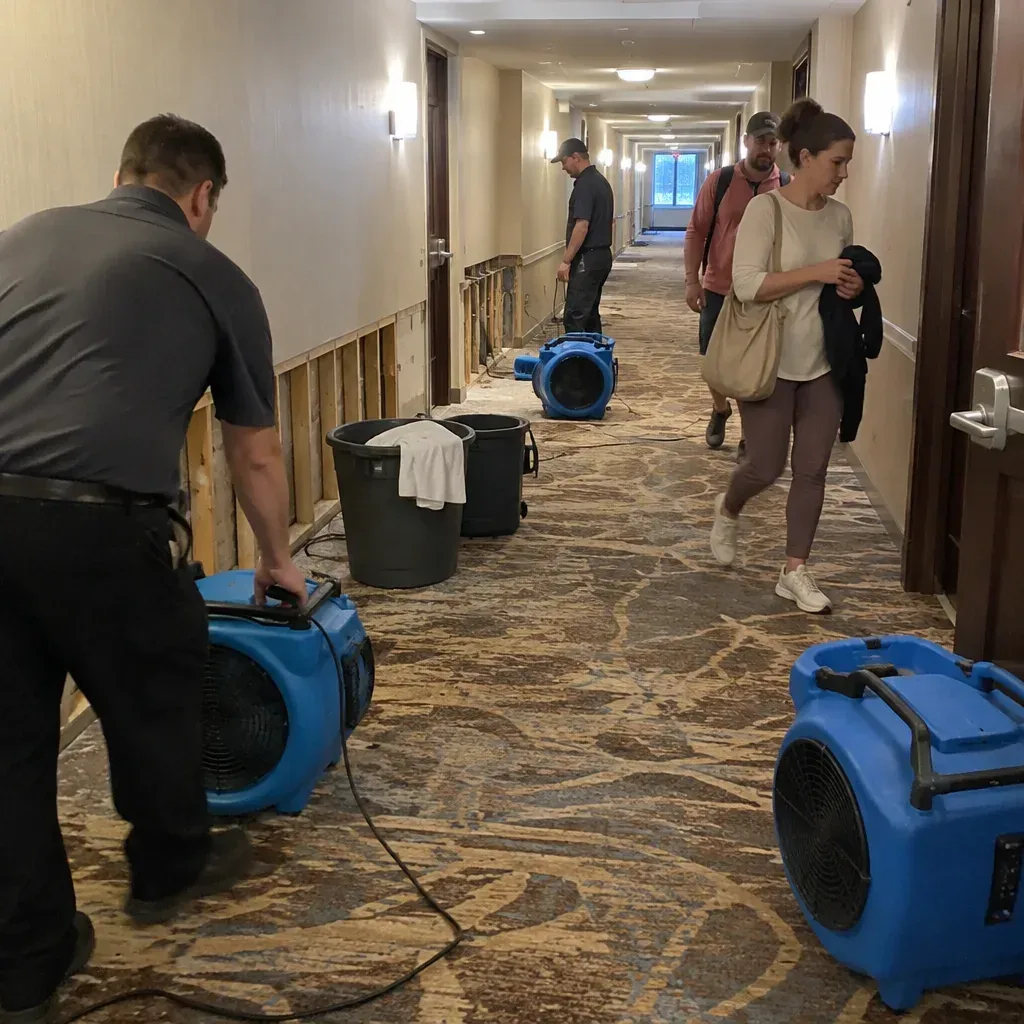
Coordinate room entry and water isolation so hotel pipe repairs fit the property’s operating plan.
Hotel staff can map affected rooms and shared services, arrange escorted access, and choose a workable water-isolation window. The plumber locates the break, repairs the line with compatible parts, and checks for leaks and restored flow before reporting results to maintenance.
A burst pipe is a break in a pressurized water line that can send water into guest rooms or shared parts of a hotel. Hotel burst pipe repair in Boulder starts with a safe work boundary: staff and the plumber should stay clear of wet areas where electrical hazards may be present, and a valve should be operated only if it is safe to reach. The repair plan then connects the affected spaces, pipe access, and any water isolation to the hotel’s operating schedule.
Water may show up in a Boulder hotel far from the failed line, so the first visible mark is a clue rather than a confirmed source. Staff can note the room, ceiling or wall location, when the symptom appeared, and whether neighboring rooms or shared areas have similar reports. That map helps the plumber trace the line and identify which spaces or services may be connected. A reference such as Waneka Lake can help clarify a property’s general location when arranging the assessment.
A useful Boulder hotel work record follows the decisions that affect room use: what was reported, which areas were inspected, what access was approved, and which line or valve was considered for isolation. Include the staff roles who coordinated each step and any operating periods that shaped the plan. This gives the next shift a clear basis for updating room status and maintenance notes. Rock Creek may help distinguish a location during scheduling, but the property address should guide the visit.
For a hotel in Boulder, room entry needs to fit both the repair route and guest privacy procedures. The facilities contact can tell the plumber whether staff must accompany entry, how to reach a service corridor, and which rooms are unavailable for inspection. If the pipe is above a ceiling or behind a wall, that access path may determine which areas need coordination before work starts. Sharing these limits early helps avoid sending the plumber to an inaccessible section or interrupting rooms unnecessarily.
Staff communication should identify who can approve access, who can update room status, and who needs notice if a shared area is affected. In Boulder, a hotel might coordinate through engineering, housekeeping, and the front desk, with each role receiving only the information needed for its work. The plumber can explain where access is required and what line is under review; hotel staff can then manage guest and service arrangements. Record changes to the access plan so later shifts do not rely on outdated instructions.
| Room / Service | Visible Signs | Entry Contact |
|---|---|---|
| Site location | Boulder address and service entrance | Nearby cue, if useful: Pearl Street Mall |
| Reported signs | Water marks, spray, or damp surfaces | Note where staff first observed them |
| Entry protocol | Room occupancy, escort, and key requirements | Name the hotel contact for entry |
| Service impact | Rooms and shared functions tied to line | Coordinate isolation with affected departments |
| Pipe access | Visible line details and suspected break area | Chautauqua Park or Mapleton Hill, if nearby |
| Work route | Path through guest or staff spaces | Tell housekeeping and maintenance what to expect |
| Repair findings | Damaged section, compatible parts, and leak check | Keep notes with hotel maintenance records |
| Room release | Water flow confirmed and open work identified | Hotel staff decide when rooms can reopen |
Before isolating water at a Boulder property, the plumber needs to establish what the relevant valve controls. A branch serving one room may allow a narrower interruption than a riser feeding several floors or shared facilities. The facilities contact can identify scheduled operations that depend on the line, while the plumber confirms the plumbing boundary. Water should be shut off only when the valve is safe to reach and operate; staff should not enter areas with electrical hazards to reach it.
The hotel can reduce avoidable interruption by giving the plumber its occupancy and service schedule before a planned shutoff. In Boulder, the facilities lead might flag room turnover, food service, cleaning, or another operation that depends on water, then coordinate a suitable access window with the plumber. The line’s actual reach still has to be confirmed, since a valve can affect more than the room where damage appeared. Note the agreed boundary and who received notice so staff can manage the affected rooms consistently.
A Boulder hotel’s repair plan should keep plumbing work distinct from room recovery. The plumber addresses the broken water line and checks the repaired plumbing; removing water, drying building materials, or rebuilding finishes may call for a separate provider. This distinction helps facilities staff assign the right work and avoid treating a repaired pipe as proof that a room is ready for use. Room release can follow the hotel’s own review of the space after the relevant work is complete.
Once the plumber reaches the damaged section in a Boulder hotel, the pipe material, size, condition, and connection help guide the repair choice. A break may call for replacing a section with compatible pipe and fittings, while the available access can affect how the work is carried out. If the line is concealed, opening a wall, floor, or ceiling may be needed to locate it. The facilities contact can coordinate that access with hotel staff before the plumber proceeds.
A clear repair note for a Boulder property identifies where the plumber found the failure and what was done to the line. It can record the pipe and fitting types in practical terms, along with whether a damaged segment was replaced or another compatible repair was used. This detail gives maintenance staff a useful reference if the same area needs attention later. The note should describe plumbing work only; any opening or finish repair belongs in the appropriate building work record.
Before the affected Boulder hotel line returns to service, the plumber should check the repair under water pressure for leakage and confirm that flow is restored. The facilities contact can coordinate when the check occurs and which rooms or operations remain affected until it is complete. Record the result, the line or area checked, and any limits the plumber reports. That gives staff a concrete basis for updating maintenance and room status instead of relying on an assumption that the repair is complete.
Keep the Boulder property’s incident details together under its maintenance record: the original report, affected areas, access decisions, repair description, and return-to-service check. Include who coordinated entry and who received notice about water isolation, so another shift can understand why rooms or services were handled as they were. The pros we connect you with can provide repair details for that file. Hotel staff can then connect the plumbing record to their own room and building recovery updates.
To arrange a Boulder building assessment, gather the affected room numbers, visible signs, access restrictions, and names or roles of maintenance contacts who can coordinate entry. Include whether staff have reports from nearby rooms or shared spaces, plus any known limits on water isolation. If directions need a local reference, Lafayette may help describe the broader area, while the hotel’s street address identifies the property. This preparation lets the plumber assess the relevant route and discuss a workable repair plan with facilities staff.
A complete handoff at a Boulder hotel lets the next staff member see which rooms or services were affected, where the pipe break was located, what repair the plumber completed, and what checks supported returning water to service. Add any access or operating arrangements that remain relevant, along with the contact responsible for follow-up. The pros we connect you with can answer questions about the plumbing work, while hotel staff maintain room status and coordinate any separate work on water-affected finishes.
For hotel burst pipe repair in Boulder, start by mapping the rooms and services connected to the affected line. A plumber can use that information to locate the break and plan access with the departments responsible for those spaces. Before water is isolated, staff can agree on a workable service window and tell affected teams what may pause. The plumber repairs or replaces the damaged section with parts suited to the pipe, then checks for leaks and restored flow. Water removal and finish restoration may need separate providers.
Before planning around a county listing, a homeowner can ask whether Burst Pipe Repair is offered in the area; the pros we connect you with can describe their coverage, includingLafayette, Jamestown and Boulder. Before booking, ask whether the quoted visit covers the trip to the property or whether distance is billed separately.
Closing the nearby shutoff can reduce continued water flow while the licensed pros we connect you with inspect the damaged section. The estimate may shift with supply-line size, service frequency, and the effort to expose a hidden break and check the replacement connection under water pressure.For a Boulder business, pipe diameter and the length of damaged line affect which compatible parts are needed and how the estimate is shaped. When calling the pros we connect you with, describe the line size if known, the damaged section, and whether access is open or concealed.The pricing guide maps cost drivers; the commercial overview outlines what a commercial assessment considers before repair begins.
Commercial Office Plumbing
Apartment Pipe Repair
Gather room numbers, the floor or department, what staff have observed, and when they first noticed it. Note doors that require an escort or staff key, plus any limits on access during guest or service periods. Give the plumber a maintenance contact who can coordinate entry and a hotel representative who can approve the work. For a Boulder property, share the precise address and entrance instructions.
Yes. A line may serve more than the room where water appears, so the plumber needs to trace its route and identify connected rooms or hotel systems. Staff can use that information to choose which teams need notice and when an interruption is manageable. The plumber can then isolate the relevant supply for repair, with the affected area based on the actual pipe layout.
Keep the work order tied to the property’s maintenance system and include the location, reported symptoms, findings about the pipe, and repair method. Add the parts or fittings used, the time service was interrupted and restored, and the plumber’s leak and flow check results. Store images according to hotel privacy practices. This gives later maintenance staff a useful history without mixing plumbing work with restoration tasks.
Hotel staff should make the room-status decision through their operating process after reviewing the plumber’s findings and any other work needed in the space. The plumbing update can state whether the line held during testing and whether flow returned. Staff can then consider that information alongside drying, surface repairs, housekeeping, and the hotel’s own readiness criteria before changing room availability.
Gather room locations, access rules, reported symptoms, and maintenance contacts before arranging a Boulder hotel pipe assessment.
Call (303) 565-8339