Apartment Burst Pipe Repair
Apartment Pipe Repair
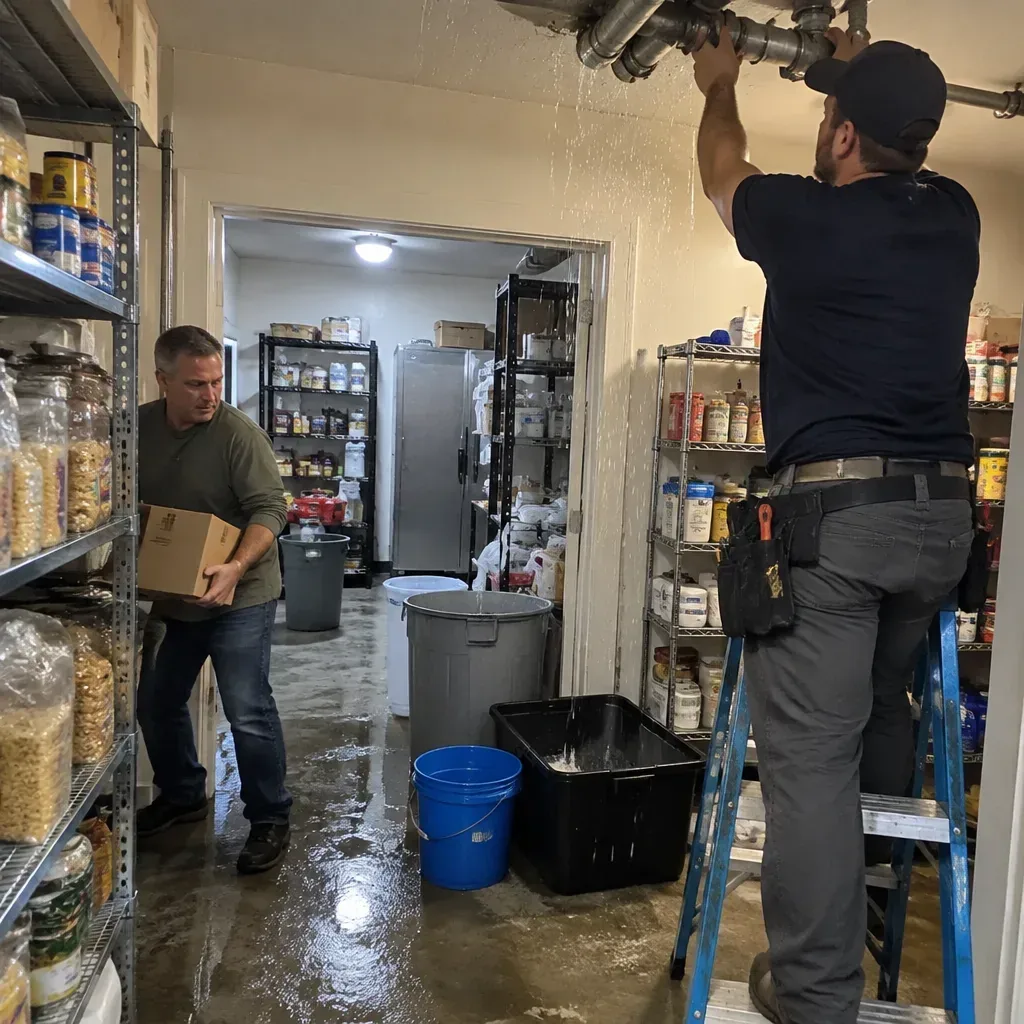
Coordinate industrial burst pipe repair across Boulder facilities with clear site records, safe access, and staged water restoration.
In Boulder, industrial burst pipe repair begins with identifying the production and support systems that depend on the affected line. Reviewing isolation points, process dependencies, and access with operations staff helps a plumbing professional plan service restoration around the facility’s operating needs.
A burst pipe is a rupture in a pressurized water line, and in an industrial facility its effects can extend beyond the area where water appears. Keep clear of wet spaces with electrical hazards, and operate a shutoff only if it is safe to reach. Industrial burst pipe repair starts by identifying which systems depend on the damaged line, so the repair boundary can protect people and limit unnecessary production downtime across a Boulder site portfolio.
For each Boulder property, the site map should connect the suspected pipe branch to the production equipment and support functions it serves. A leak in one building may affect a separate work area if both draw from the same supply. A location index can use familiar map references such as Pearl Street Mall, Colorado Boulder, or James Creek to help staff orient themselves, while the street address and facility records identify the actual site.
Record when the problem was noticed and which rooms, lines, or equipment show water exposure at the Boulder facility. Water can travel along a concealed route before becoming visible, so the wettest spot may not mark the rupture. Notes from operations and maintenance about pressure changes, alarms, or affected processes can help the plumbing professional narrow the search without assuming that the pipe is exposed or that every connected area has failed.
A multi-site response needs an isolation plan for each Boulder property because valve locations and connected systems can differ. Staff can mark the suspected branch, the nearest known shutoffs, and any shared supply that crosses the proposed boundary. That information helps the plumbing professional judge whether a limited shutdown can contain the leak or whether a wider area will lose water while the damaged section is assessed.
Operations staff should identify which processes rely on water before a line is isolated at a Boulder facility. Cooling, cleaning, sanitation, or other support functions may need an orderly stop, and their dependencies can affect the order in which areas return to service. A site contact can explain those constraints and arrange access to controlled work areas, reducing the chance that a repair decision interrupts a separate process unexpectedly.
| Facility zone | Service dependency | Planning record |
|---|---|---|
| Operating role | Production equipment and process water | Staff areas and building support |
| Isolation scope | Valves serving the affected line | Branches shared with other areas |
| Service dependencies | Cooling, cleaning, or production demand | Sanitation and occupied work areas |
| Entry coordination | Equipment clearance and operating windows | Escort needs and room access |
| Pipe access | Racks, machinery, or concealed runs | Utility rooms and overhead routes |
| Repair basis | Pipe material, size, and connections | Branch type and nearby fittings |
| Return checks | Confirm process readiness before reopening | Confirm support services are available |
| Shared record | Site scope and restored functions | Open work and map references, if relevant: Boulder, Waneka Lake, Rock Creek |
At a Boulder property, the repair plan depends on where the failed section sits and how the plumbing can be reached safely. An exposed line in a service space may allow direct access, while a pipe above production equipment or behind a finish may require coordination to open the work area. The facilities contact can identify escorts, restricted zones, and equipment that must be protected before the plumber evaluates the break.
Once the damaged section is located, its material, size, connection style, and surrounding condition guide the repair. The plumbing professional may replace the failed length or use another compatible repair method suited to the installed system. At a Boulder site, confirming those details against available pipe records can help facilities staff understand the proposed scope and avoid treating a temporary leak restraint as the completed repair.
A warehouse pipe repair in Boulder also has to account for aisle access, stored materials, and nearby equipment that could obstruct work. The facilities team can identify routes for reaching the affected branch and areas that need to remain clear. If the pipe is concealed, the access opening and any building finish work should be recorded separately from the plumbing scope so the production plan reflects what is actually required.
After repair, the plumbing professional checks the connection with water restored and looks for leakage while confirming expected flow. At a Boulder facility, the team can use the agreed isolation boundary to bring water back to a suitable area first, when the system layout allows it. This gives operations a chance to observe the repaired branch before additional production and support zones resume use.
Service restoration should follow the facility's operating requirements, with staff watching for changes in pressure, flow, or equipment behavior as connected areas come online. If a process or support function does not perform normally, pause its return and report the condition to the responsible maintenance contact. A written status for each Boulder zone helps the next shift see what is operating and what remains isolated.
For a Boulder multi-site operator, the repair record should identify the property, affected branch, damaged location, materials used, and the isolation points that shaped the work. Include which production and support areas remained without water and how their service was restored. Consistent records let facilities staff compare scope across properties, update pipe documentation, and give later maintenance teams a clear account of the repair.
The plumbing scope covers the supply line and checks to confirm the repair; standing water, drying, and building finish work may call for separate providers. At a Boulder site, note wet floors, exposed materials, or affected equipment so the proper facilities contact can arrange follow-up. Keeping those observations with the incident record helps operations track remaining constraints after water service resumes.
Industrial burst pipe repair across several Boulder properties works best when each site supplies the same practical information: a current zone map, known isolation points, affected processes, and access conditions. The details help a plumbing professional compare the needs of one facility with another without assuming that their pipe layouts match. This shared format can also help a regional facilities manager see which sites need a coordinated service restoration plan.
Before contacting the pros we connect you with, gather the site address, a contact who can coordinate with operations and maintenance, relevant pipe records, and any known valve locations. Include which production and support systems are affected and what access arrangements apply at the Boulder property. Those details support a focused review of emergency burst pipe repair scope, isolation options, and the sequence for returning areas to service.
Leaks can begin at joints where fittings loosen or seals wear, while corrosion may weaken a longer stretch of pipe. For a Boulder operator managing several properties, one repair scope should identify each affected facility, its production and support dependencies, and the access needed to reach the damaged line. That record gives operations, maintenance, and the plumber a shared basis for choosing isolation points, documenting compatible repair work, and bringing areas back into service in stages. Water removal and building repairs may need separate providers.
County listings show where Burst Pipe Repair may be offered, but they do not establish service at every home; the pros we connect you with can clarify local reach, includingWheat Ridge, Golden and Mead. Have the pros we connect you with explain any call-out or mileage fee that could affect the cost of the first appointment.
An office or retail operator can expect a visit-based estimate, using $350–$1,300 for general cost context. Line dimensions and repeat service needs matter; so do concealed-pipe access and the work required to isolate the affected section before making a compatible repair.For a Boulder business, pipe diameter and the length of damaged line affect which compatible parts are needed and how the estimate is shaped. When calling the pros we connect you with, describe the line size if known, the damaged section, and whether access is open or concealed.The pricing guide maps cost drivers; the commercial overview outlines what a commercial assessment considers before repair begins.
Apartment Pipe Repair
Commercial Office Plumbing
Boulder Hospitality Plumbing
Build a separate work record for each property, then use the same fields to compare them: affected function, isolation point, access conditions, repair boundary, and service status. In Boulder, a portfolio may span locations identified by references such as Lockheed Martin, Sierra Space, or Coal Creek; pair any broad reference with the facility address and internal building code. That keeps one site's repair or status from being confused with another's.
Choose a boundary that stops water to the damaged branch while preserving unaffected functions where the piping layout allows. Operations and maintenance staff can identify shared process needs that drawings may miss; a valve that appears local could also supply another production or support function. Confirm the dependencies and safe valve access with the plumbing professional before isolating the line.
Useful records include current piping drawings, prior repair notes, pipe material and dimensions, connection details, and the site's asset identifiers. Staff knowledge can fill gaps when drawings do not reflect later changes. These details help the plumber assess access and select parts compatible with the installed line; they do not establish the condition of an uninspected section.
A plumber locates the break, stops or isolates water when safe, and assesses whether the damaged portion can be repaired or replaced with compatible materials. The work area must remain accessible for checking the completed repair under pressure. Once it holds and usable flow is confirmed, operations can coordinate when dependent areas resume service. Water extraction and building restoration may call for separate providers.
Share each affected site's functions, possible isolation points, and access conditions with the pros we connect you with for repair planning.
Call (303) 565-8339