School Burst Pipe Repair
Campus Pipe Repair
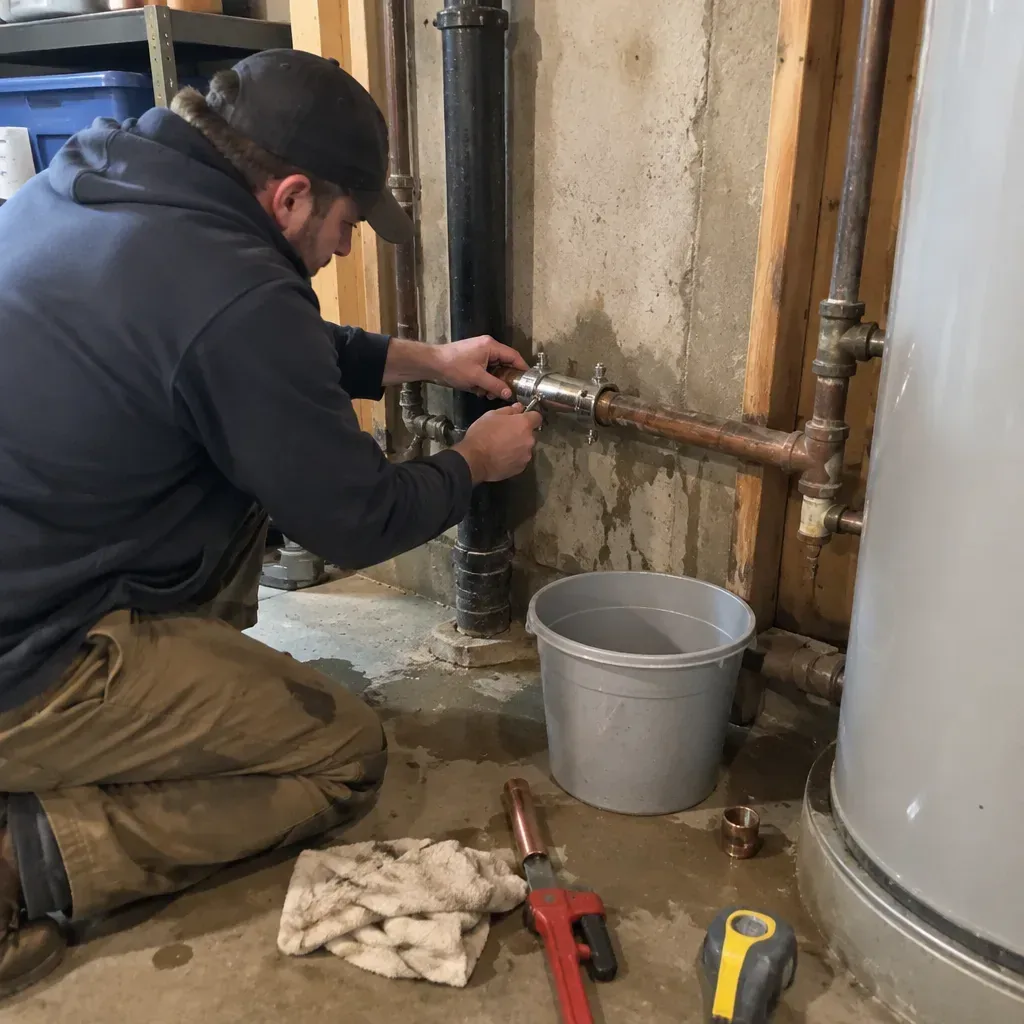
Plan hospital burst pipe repair around patient care, controlled access, essential water use, and clear facilities records.
In a Boulder healthcare facility, hospital burst pipe repair should account for water-dependent care and support functions before the affected line is isolated. Facilities and clinical leads can set access boundaries and record which line was shut off, where the break was found, what materials were used, and whether the repaired section passed a leak check.
In a healthcare facility, a burst pipe can affect care well beyond the room where water appears. A safe repair depends on knowing which areas use the line, who can authorize access, and what work must continue nearby. In Boulder, facilities staff and clinical leadership can give the pros we connect you with an operational picture before repair decisions are made. Hospital burst pipe repair therefore involves both the damaged plumbing and a coordinated plan for affected spaces, water-dependent activities, and records of the work.
A pipe break may release water into a patient-care room, a staff workspace, or a service area that supports several departments. Facilities staff can identify what is known about the affected zone and which adjacent spaces may share the supply. That account helps the plumbing professional assess the line without treating the first visible wet spot as the full extent of the impact. In Boulder, the facility’s current maps and staff knowledge provide more useful guidance than assumptions based on the building’s age or layout.
Building access has to fit the facility’s own operating controls. Before the pros we connect you with enter a restricted or patient-facing area, a designated facilities contact can explain check-in, escort, and room access expectations. Clinical leadership can identify where work needs coordination around ongoing care. For a Boulder facility near Chautauqua Park or Mapleton Hill, the relevant details still come from that building’s staff and records; neighborhood location does not reveal its plumbing arrangement or access rules.
The line’s service area matters because a pipe can supply more than the room where the break is found. Facilities staff can consult system records and ask department leads which activities rely on that branch, including patient-care and support functions. This helps the plumbing professional understand the possible effect of isolating a section. In Boulder, that information gives the facility a basis for deciding which operational leads need to participate in planning, without assuming that all rooms served by a line have the same priority.
Clinical and operational leaders can describe which water-dependent work must continue, which activity could move, and what constraints affect those choices. Facilities staff can then share those decisions with the plumbing professional when discussing the isolation boundary and repair options. The decision belongs with people responsible for care and operations, since the same plumbing change may affect departments differently. At a Boulder site, a clear account of those dependencies can help limit avoidable disruption while the damaged section is assessed and repaired.
| Site zone | Water demand | Entry limits |
|---|---|---|
| Care spaces | Treatment rooms, recovery bays, scheduled activities | Clinical lead marks spaces needing uninterrupted care |
| Support functions | Medication prep, food service, sanitation areas | Department leads flag tasks affected by water limits |
| Water reliance | Equipment and tasks that need active water service | Operational leads identify critical water uses |
| Pipe reach | Rooms and fixtures served by the damaged branch | Facilities helps the plumber map connected spaces |
| Entry protocol | Service corridor, badge access, escort conditions | Site contact explains entry procedures and restrictions |
| Care continuity | Activities that can move or pause safely | Clinical operations identifies workable care arrangements |
| Repair notes | Pipe location, material, connection, pressure check | Facilities records the findings for maintenance reference |
| Site directions | Boulder address, campus map, service entrance | Use Boulder Creek, Pearl Street Mall, or Mapleton Hill as broad map references |
A burst may be visible on an exposed line or hidden behind a wall, ceiling, or floor. Water can travel before it shows, so the first damp surface may not mark the break itself. Facilities staff can point out system references and known access constraints while the plumber locates the damaged section. In Boulder, this assessment helps define what access the repair may require and which teams should be informed if the likely work area is near active services.
Before a line is isolated, compare system drawings, valve labels, and staff knowledge where available. A branch that appears to serve one department may connect to another function, so the boundary needs confirmation before operations are planned around it. The plumbing professional can use the facility’s information to evaluate a suitable isolation point. Boulder facilities staff can help resolve gaps between records and current room use; the plumber then has a clearer basis for explaining which services the proposed repair may affect.
Choose a facilities contact who can arrange entry, relay operational decisions, and keep relevant clinical leaders informed as the repair is defined. That contact can explain the facility’s access procedures and identify who may answer questions about the affected line or work area. A single route for updates reduces conflicting directions at the site. For medical facility plumbing in Boulder, this coordination supports controlled access while giving the plumber the information needed to discuss a repair that fits the building’s operating constraints.
Keep a dated facility record of the affected service, locations reviewed, staff consulted, and decisions about access or isolation. Attach the system references used and note where information remains uncertain, so later reviewers can distinguish confirmed details from working assumptions. This record can help facilities and clinical leadership explain why a particular area was included in the repair plan. In Boulder, documentation also gives the maintenance team a useful history if the same line or connected space needs attention again.
The plumber’s repair choice depends on the damaged pipe, its material and connections, and the condition around the break. Work may involve replacing a section or another compatible method suited to the existing line. Ask for the repair record to identify the pipe section addressed, the parts or method used, and what was checked afterward. These details support facility maintenance and any later review of the work. A Boulder healthcare facility can keep them with its own building records rather than relying on recollection.
Updates should reach the people whose work or space may be affected, with clinical leadership guiding communication about patient-care operations. Facilities staff can explain the repair area and access arrangements, while department leads can relay operational changes through their established channels. Keeping these roles distinct helps avoid giving staff incomplete instructions. In Boulder, the facility can record when key updates were shared and which contacts received them, creating a practical account of how the repair plan was communicated.
Before an affected area returns to its normal use, facilities staff can confirm that the plumber has checked the repaired section for leaks and restored water flow. The facility should also record any limits on the work completed and identify water extraction, drying, or finish repairs that remain outside the plumbing scope. Near Boulder Creek, as elsewhere in the city, repair and building restoration may involve separate providers. Keeping these handoffs clear helps staff understand what has been completed and what remains.
The cost of emergency burst pipe repair at a healthcare facility can depend on where the break is, how difficult the line is to reach, and what compatible materials the repair requires. The scope may also change if concealed piping needs access work or if the damaged area is extensive. Water extraction, drying, and rebuilding are separate services, so they may affect the overall project without being part of the plumbing repair. A Boulder facility can request an estimate tied to the known work and stated assumptions.
To discuss an estimate, give the pros we connect you with the affected-area information, relevant system records, access expectations, and operational contacts. Ask which portion of the line the proposed work addresses, what repair method is under consideration, and what checks or records are included. If concealed damage or restoration needs remain uncertain, have those limits stated clearly. This gives Boulder facilities staff and clinical leadership a shared basis for reviewing the scope, planning service coordination, and keeping the repair record complete.
A burst in a healthcare facility calls for repair planning that accounts for clinical work as well as the pipe. Facilities and clinical leaders can identify affected rooms, controlled entry points, and services that depend on the line before the plumbing professional plans access and isolation. In Boulder, clear campus and building labels help keep updates tied to the right work area. If an organization coordinates sites in Lafayette, Jamestown, or Longmont, include the facility’s own location reference; a town name alone does not identify the affected branch. Record the repair and any restoration still needed separately.
Before planning around a county listing, a homeowner can ask whether Burst Pipe Repair is offered in the area; the pros we connect you with can describe their coverage, includingHenderson, Thornton and Allenspark. Before booking, ask whether the quoted visit covers the trip to the property or whether distance is billed separately.
An office or retail operator can expect a visit-based estimate, using $350–$1,300 for general cost context. Line dimensions and repeat service needs matter; so do concealed-pipe access and the work required to isolate the affected section before making a compatible repair.For a Boulder business, pipe diameter and the length of damaged line affect which compatible parts are needed and how the estimate is shaped. When calling the pros we connect you with, describe the line size if known, the damaged section, and whether access is open or concealed.The pricing guide maps cost drivers; the commercial overview outlines what a commercial assessment considers before repair begins.
Campus Pipe Repair
Apartment Pipe Repair
Commercial Office Plumbing
Facilities staff can identify the affected care areas, then ask clinical leadership which rooms or services need special coordination. The plumbing professional needs those boundaries before planning line isolation or access. In Boulder, a designated facilities contact can relay changes in room use and keep clinical and building teams working from the same location details.
List the services that rely on the affected water line and have the appropriate operational leads assess what can pause or use an alternate arrangement. The plumbing professional can use that information to consider whether a branch can be isolated while other areas remain supplied. The facility’s clinical team determines what arrangements protect ongoing care.
Provide building and room identifiers, available system drawings, and any known information about the line’s material and connection. Describe where water appeared and which spaces share the service. These details help the plumbing professional narrow the search and plan access; a concealed break may require opening the area around the pipe.
The plumbing work addresses the failed water line and checks the completed repair. Water removal, drying, and rebuilding affected finishes may call for separate providers. Facilities staff can track those remaining tasks independently and coordinate when the space is ready for its intended use under the facility’s own procedures.
Bring facilities and clinical leads together to identify affected rooms, access arrangements, and water-dependent services for the plumbing professional.
Call (303) 565-8339