How Long Might Water Be Off?
There is no reliable clock for how long water will be off during burst pipe repair. The interruption may be limited if the damaged line is easy to identify and isolate; it can stretch when the break is hard to reach or the affected supply is broader. In Boulder, a homeowner should treat any estimate as specific to the property and the damage found there. The useful question is what must happen before water can safely return, not a promised number of minutes.
Cold weather can contribute to a burst when water in a pipe freezes and expands. That regional risk makes shutoff planning relevant in Boulder, as it is in nearby Louisville and Lafayette, but it does not predict the condition of a particular home. A ranch or split-level may have a different supply layout or pipe access from another house nearby. The provider’s estimate should account for the line involved and what can be determined at the site.
What Can Change the Estimate?
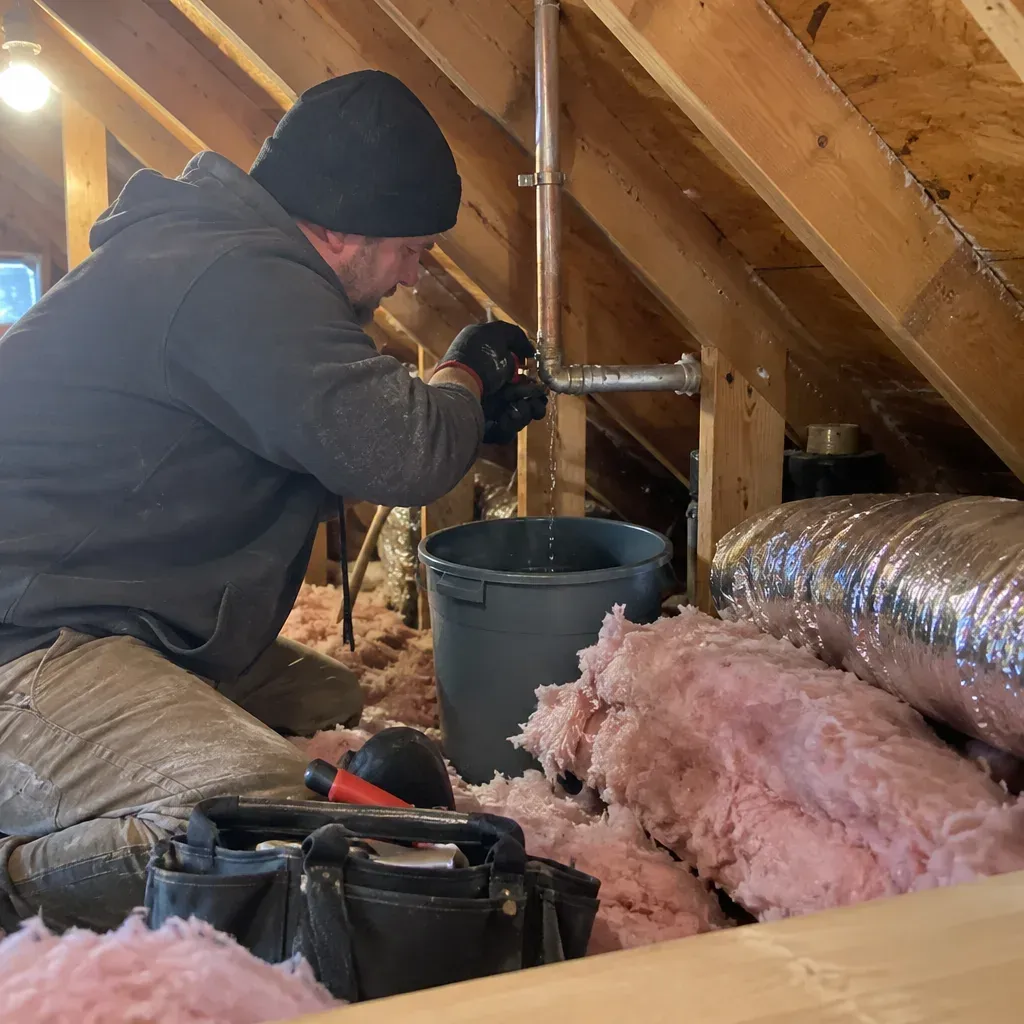
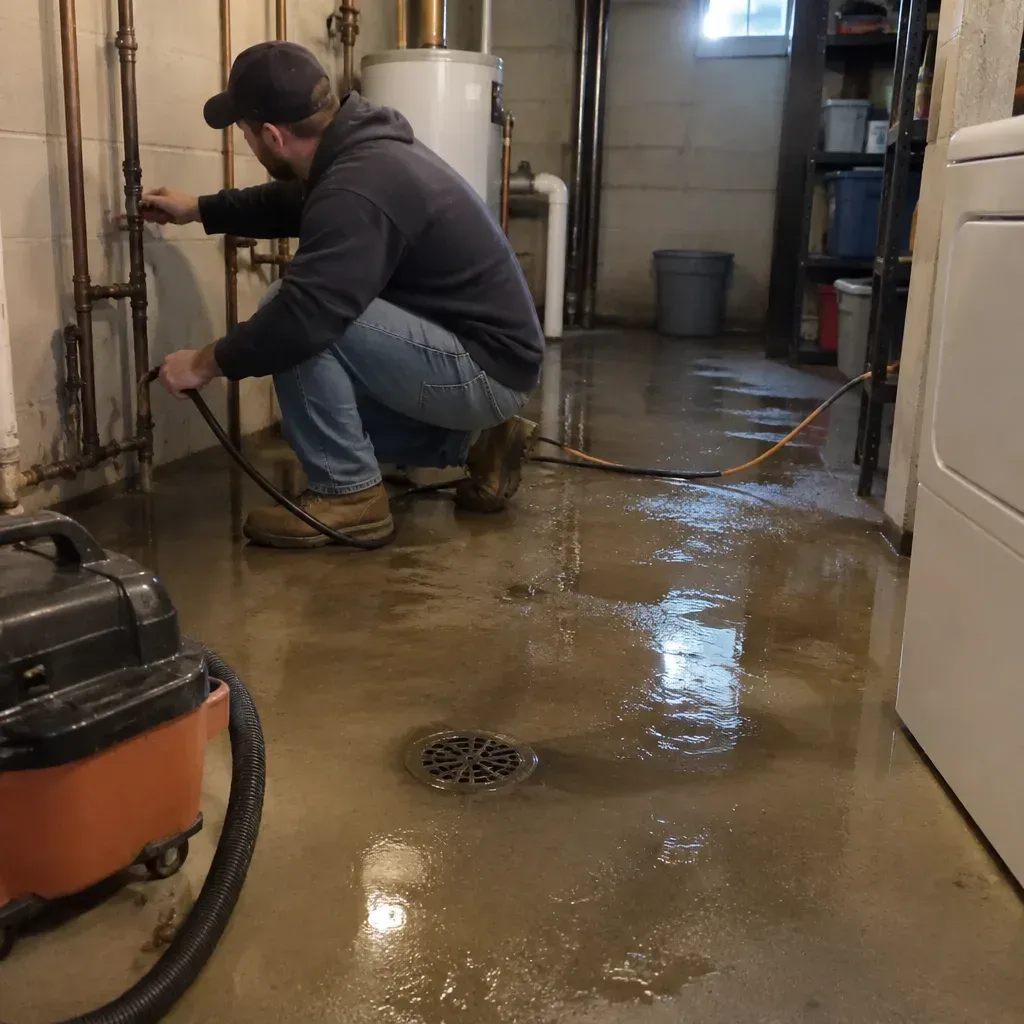
The break’s condition can change the length of the outage. A clear split on an exposed line may make it easier to identify what needs attention, while a leak behind a wall or below a floor can take longer to locate. Water can travel from the damaged point before showing on a finished surface, so the visible wet area may not mark the break. Until the affected section is understood, the provider may not be able to give a firm restoration window.
The pipe system also affects what must be planned while the supply is off. Materials such as copper, PEX, or CPVC call for compatible fittings and connection methods, and the existing line’s size and condition matter too. If those details are not clear at first, identifying a suitable approach can add uncertainty to the shutoff estimate. The owner can ask whether the pipe has been identified and whether anything about its condition could change the expected return of water.
Which Supply Must Be Isolated?
The outage may involve a branch of the plumbing or the property’s main supply, depending on where the break connects. A provider can explain which portion must be taken out of service for the affected line to be addressed. That distinction matters to the expected shutoff window because the work plan depends on the plumbing layout, not simply the room where water appeared. Ask the pros we connect you with to name the supply they expect to isolate before work begins.
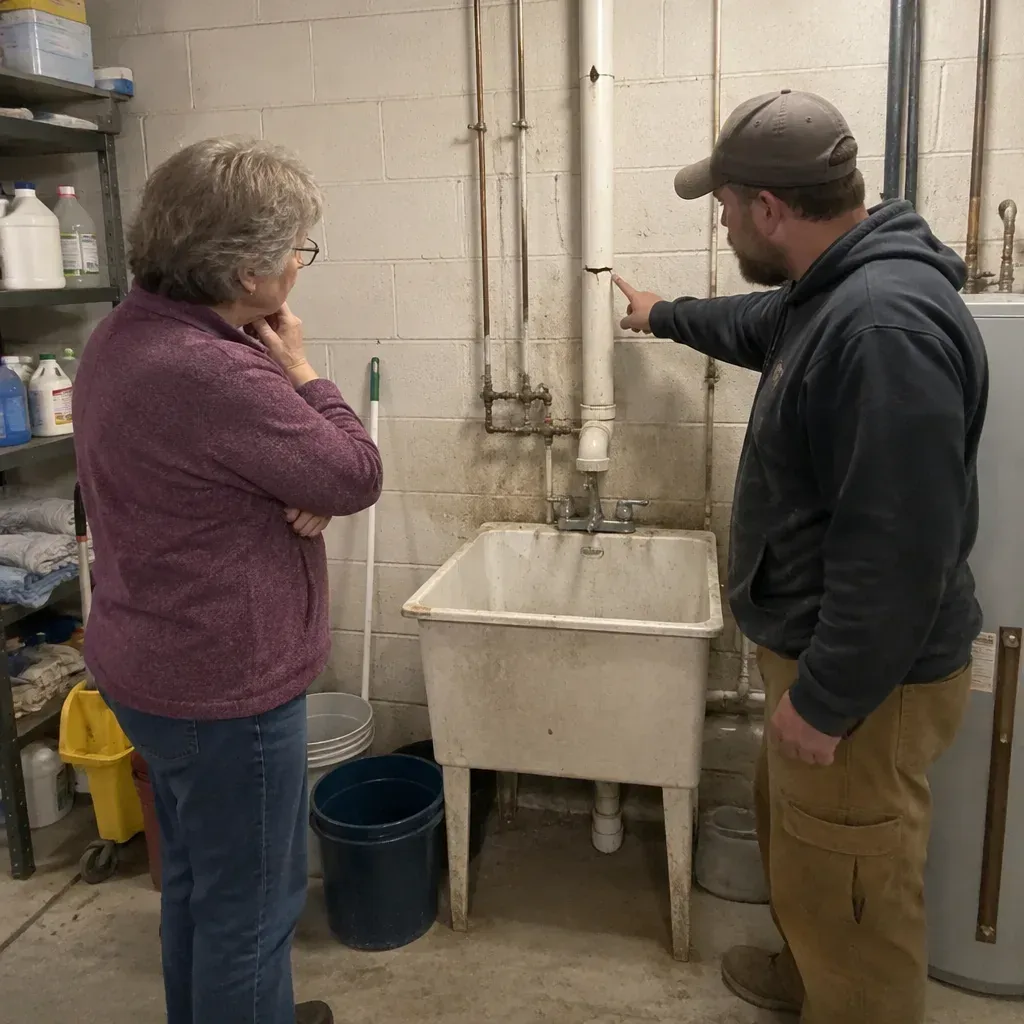
Access can be another source of uncertainty. In a Boulder home, an exposed pipe in a utility area presents a different planning problem from a concealed line that needs an opening for inspection. The owner should ask what area must be reached and whether the shutoff estimate depends on finding damage beyond the first visible sign. A provider may revise the window once the line is accessible and its condition is clearer.
Planning for Water Service Return
Before the supply is shut down, ask the provider for the expected outage window and the conditions that could change it. A useful explanation should identify the line involved, the planned isolation point, and any access or material questions that remain. If the home is near a Boulder landmark such as the Senior Center, that does not determine the plumbing layout; the estimate still needs to reflect the actual property. Clear steps help the owner plan around the interruption.
Ask how the provider will tell the owner that water service restoration is safe to begin, and who will communicate if the expected time changes. The answer should make clear what must be complete before service resumes, without treating a rough estimate as a guarantee. If the break or access proves different from what was first understood, the owner can ask for an updated window. The owner can ask whether nearby fixtures should stay unused until the repaired line has been checked for leaks.
Dealing with a burst pipe in your home?
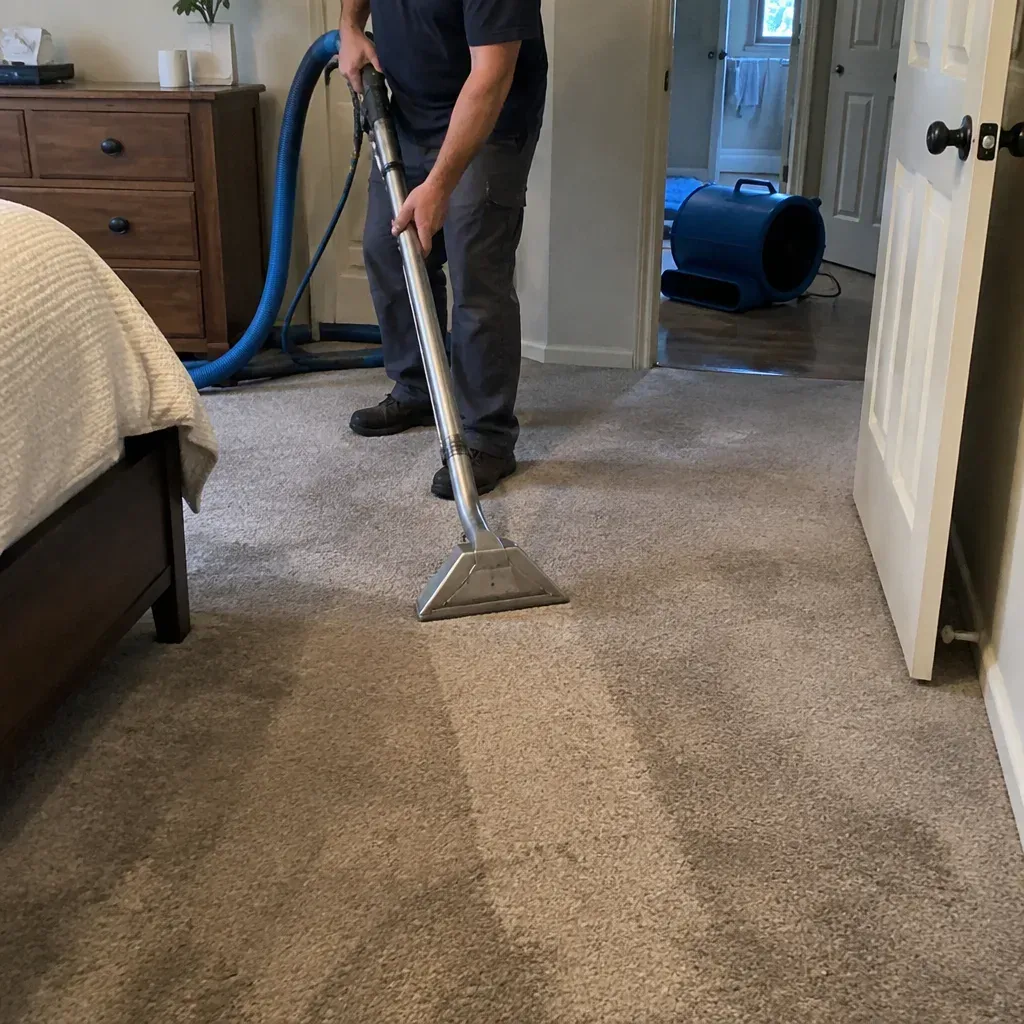
Check nearby flooring and baseboards for dampness, since water may spread beyond the visible mark. A split line can keep releasing water even if the wet mark appears elsewhere. For a Boulder ranch or split-level, tell the pros we connect you with what is visible; ask whether your address is covered, when they may come, and what visit charges apply. Call (303) 565-8339 to discuss repair options. Pipe work addresses the line; extraction, drying, and rebuilding may need another provider. If relevant, give landmarks such as Jamestown Town Hall, Little James Creek, or James Creek.