Confirm Permit Needs Before Work
In Boulder, a burst pipe does not automatically settle the pipe repair permit or plumbing inspection requirement; the work’s scope and the property’s jurisdiction matter. A limited fix to one damaged section can be treated differently from changes that extend or alter more plumbing, so the owner should ask before work proceeds when safe conditions allow. A leak can also damage nearby finishes or framing, so check those areas before closing the wall. Check with the local building department and plumber, then keep permit and inspection records. Make the same address-specific check in Mapleton Hill, near Boulder Creek, and around Eldorado Springs.
A street name or familiar landmark cannot settle the permit question by itself. When contacting the local building department, give the full property address and explain where the break is and what repair is proposed. Mapleton Hill, Boulder Creek, and Eldorado Springs may help orient a location, but the department needs the address to identify the authority for the work. That answer can prevent a homeowner from relying on guidance meant for a different property or repair.
How Repair Scope Affects Permits
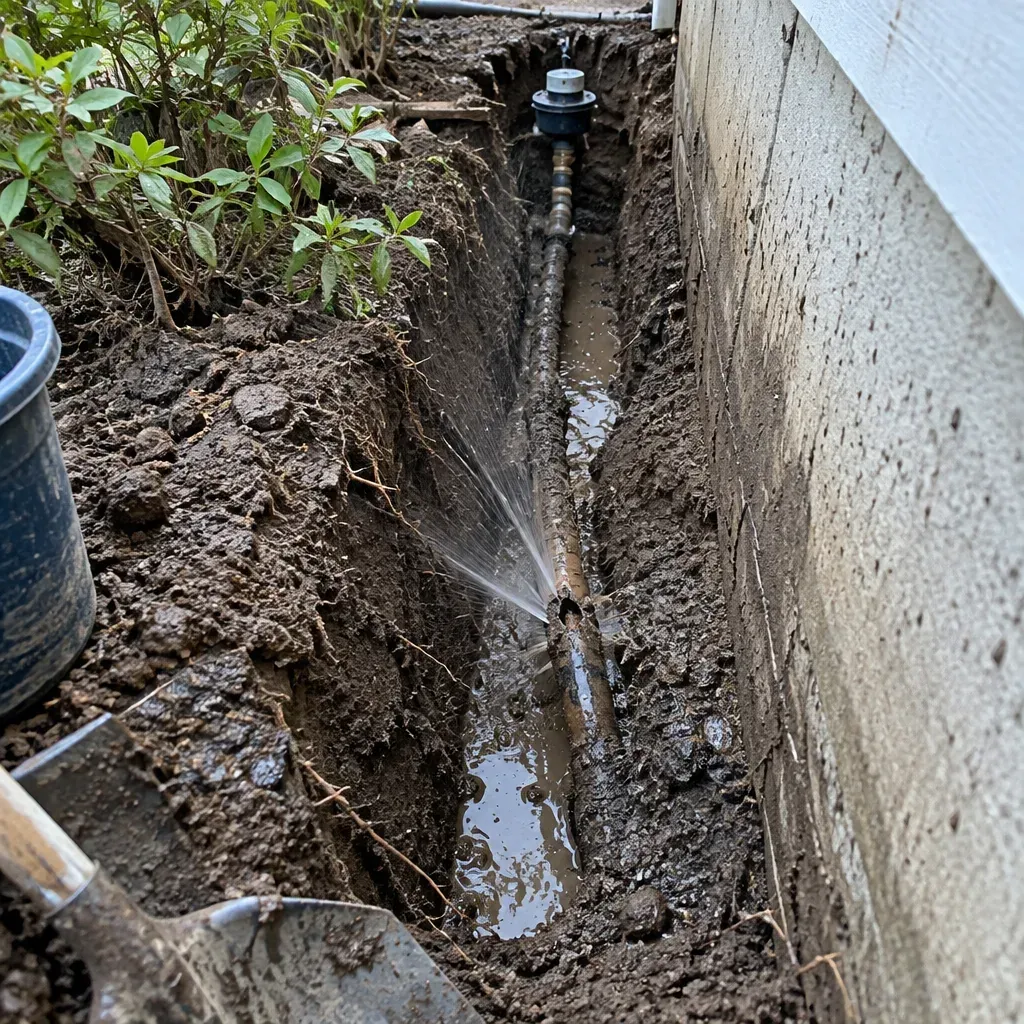
A repair confined to one damaged pipe section may raise different permit questions from work that reroutes plumbing or changes other parts of the system. The department can assess the actual scope, so describe what will be replaced or altered rather than calling it only an emergency fix. In Boulder, a ranch with an exposed line and a split-level with a concealed line may need different access work, even when both repairs began with one leak.
The plan can change once a wall, ceiling, or floor is opened and more damaged piping becomes visible. If the work grows beyond the description already given to the department, stop before extending the plumbing and ask whether the permit or inspection plan needs revision. This check helps avoid completing broader work under an answer that covered only a localized repair. Ask the plumber to explain any change in scope before work proceeds.
Where to Ask About Requirements
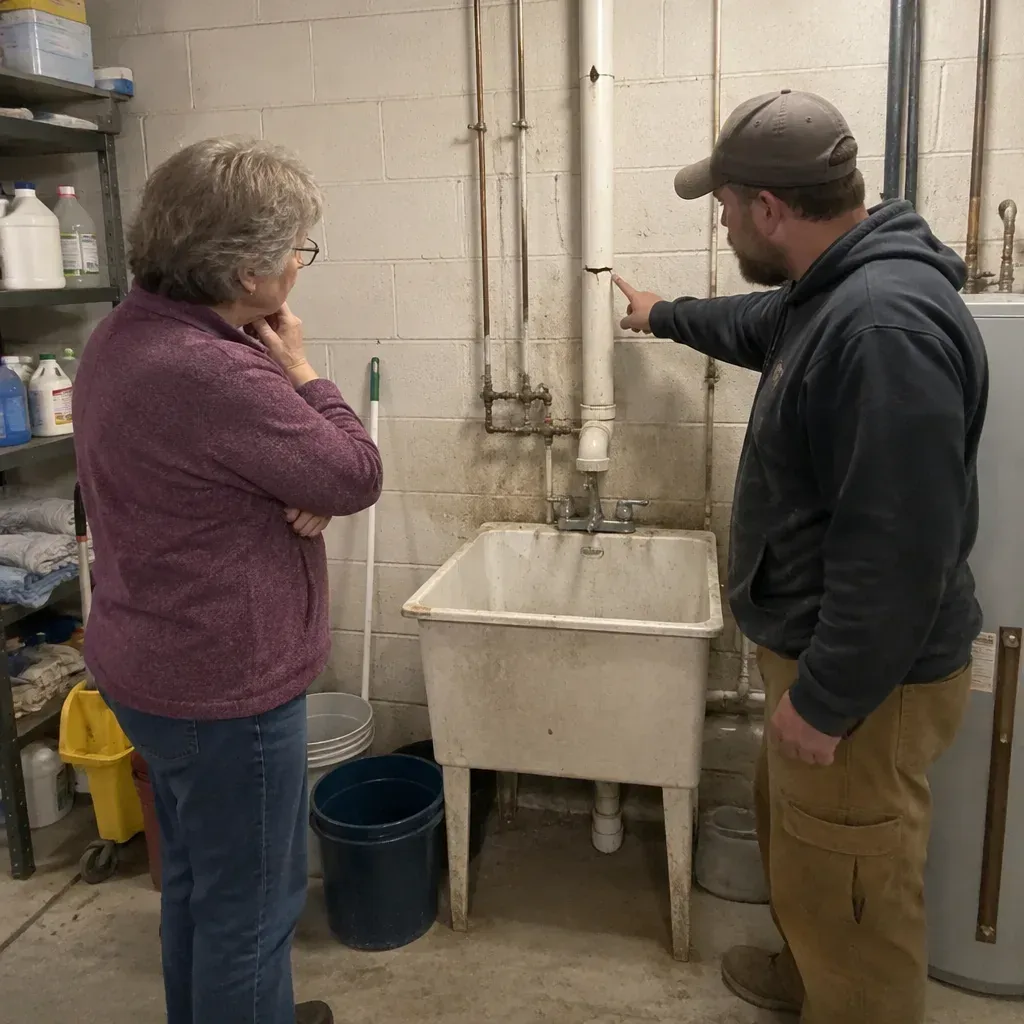
The local building department is the place to confirm the pipe repair permit and any plumbing inspection requirement for the address. Describe the break, the affected line, and the proposed repair; ask whether a permit applies and whether an inspection is required before the area is closed. Boulder’s freeze-related pipe guidance concerns pipe risk, so it should not be treated as a decision on permit rules. The department can address the permitting question for the planned work.
Ask the plumber to describe the proposed work in terms the department can assess: a localized section replacement, added plumbing changes, or access to concealed piping. Then ask whether the plumber expects a permit or inspection and what step must happen before the repair is covered. If the answer is uncertain, use the department’s response to resolve it. Clear descriptions reduce the chance that the owner and department are discussing different work.
Records to Keep After Repair
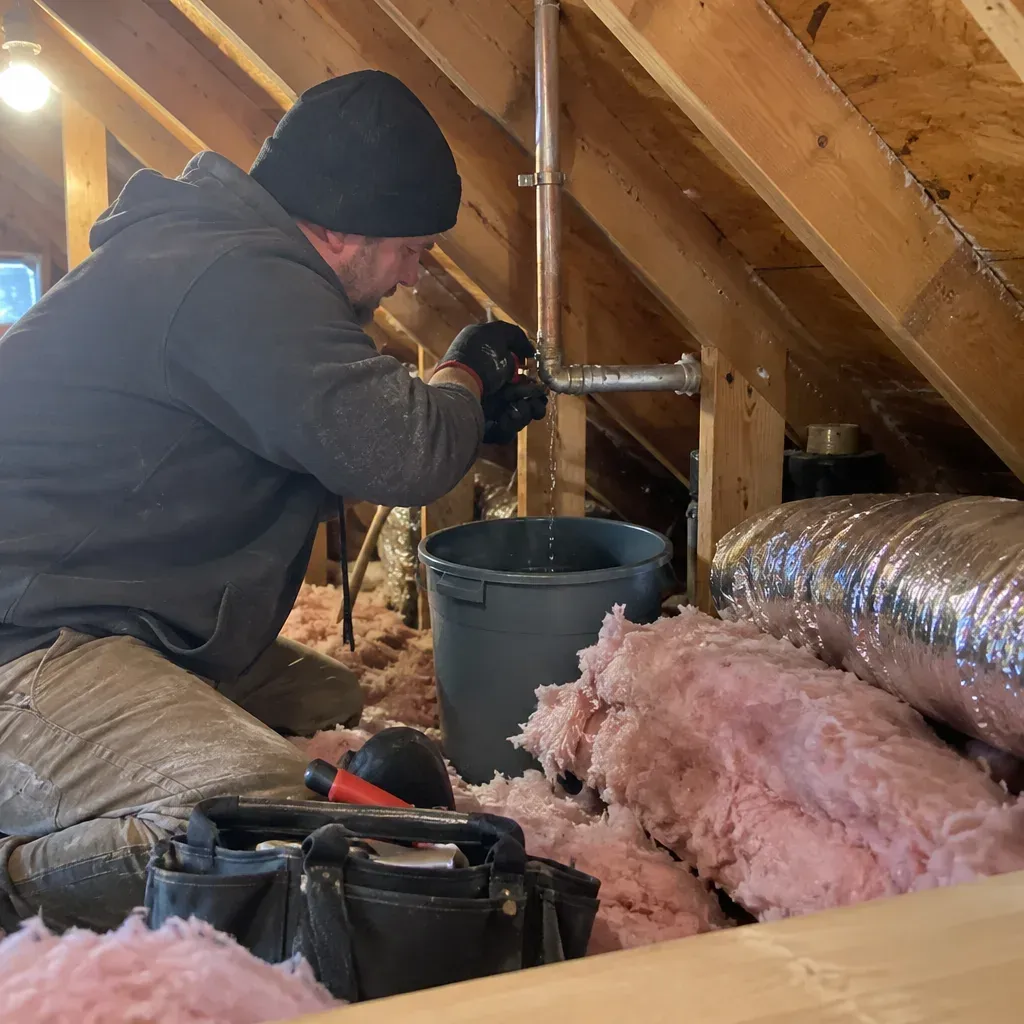
A concealed break can leave the repair behind a wall or ceiling, so the inspection sequence matters before anyone closes the opening. In a Boulder split-level, ask the building department whether an inspection is required and when the repaired line may be covered; sealing it too early could mean reopening finished work. If a permit is issued, retain its approval and inspection outcome with the repair description. Keep the opening accessible until the department confirms its inspection step is complete.
Before closing out permitted work, compare the finished repair with the scope the department reviewed. If the plumber replaced additional piping or changed the plan, ask whether the department needs an update or another inspection result. Useful questions are direct: Does the completed work match the approved scope? Is any inspection or closeout record still due? Keeping the answers with the repair paperwork gives the owner a clear record of how the permit question was resolved.
Dealing with a burst pipe in your home?
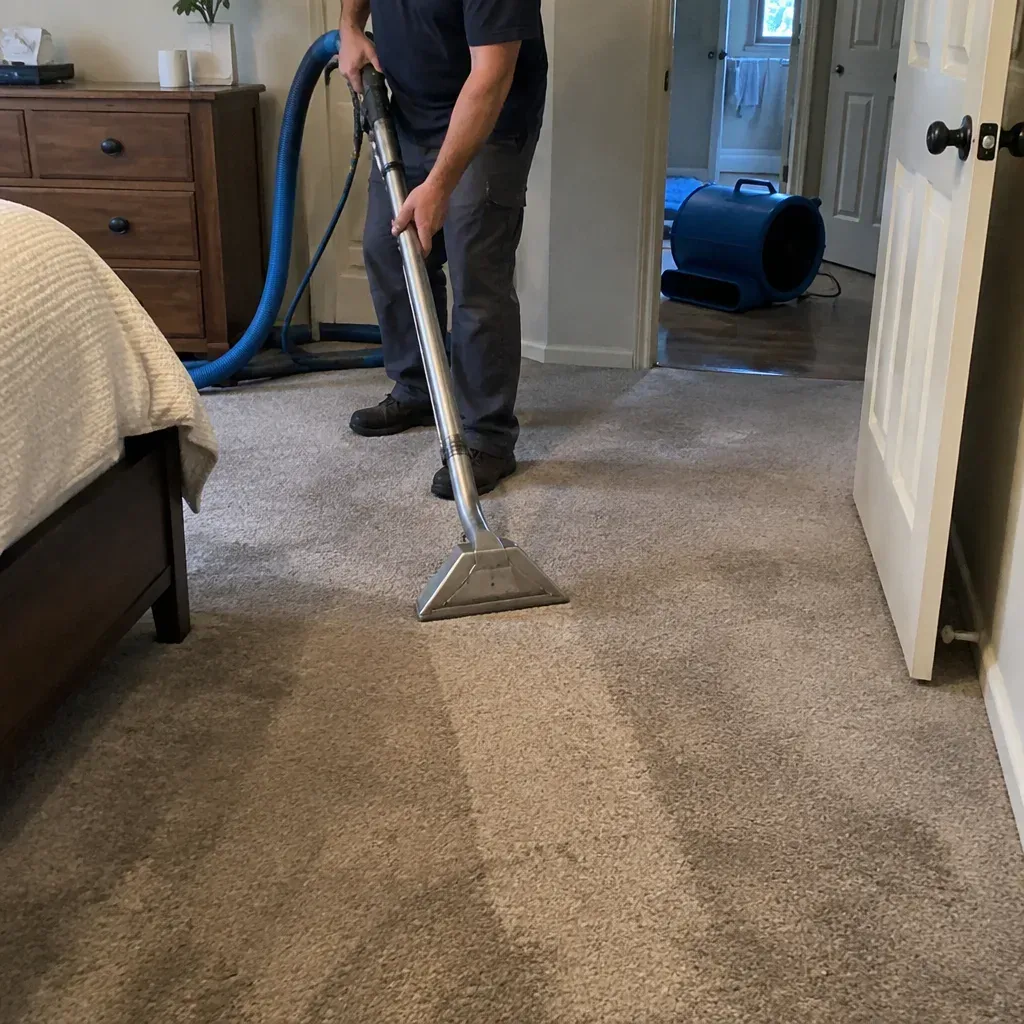
Check nearby flooring and baseboards for dampness, since water may spread beyond the visible mark. A split line can keep releasing water even if the wet mark appears elsewhere. For a Boulder ranch or split-level, tell the pros we connect you with what is visible; ask whether your address is covered, when they may come, and what visit charges apply. Call (303) 565-8339 to discuss repair options. Pipe work addresses the line; extraction, drying, and rebuilding may need another provider. If relevant, give landmarks such as Jamestown Town Hall, Little James Creek, or James Creek.