Observe the Area From Safety
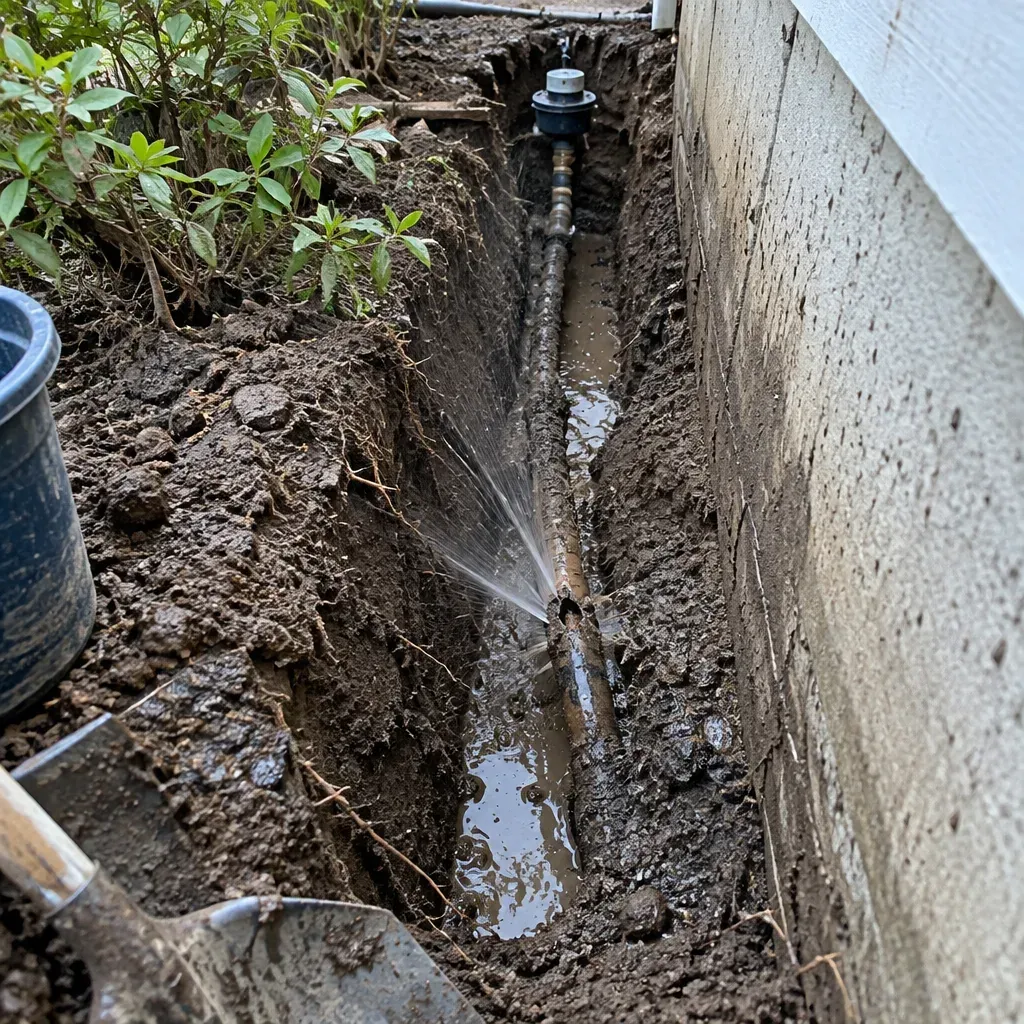
Stay away from water near electrical equipment; report what you see from a dry, safe place. A damp area at a Boulder home does not show who maintains the line. Note where water is visible in relation to the house and meter, without crossing unsafe ground. Responsibility follows the rules for the particular service line, so observations can help identify the area of concern but cannot settle who must arrange its repair. The sections below explain what visible clues can tell an owner and what needs confirmation.
The meter’s position can vary from one Boulder property to another, including ranch homes and split-levels on subdivision lots. A meter near the street and a service entry on the side of the house show reference points, not necessarily the maintenance boundary. For a home near the Senior Center, record those locations separately when describing a suspected problem. The distance between them, or which side of the yard appears wet, cannot establish water line ownership by itself.
Separate Ownership From Maintenance
Service line repair responsibility is assigned by the rules that apply to the provider and property. Those rules determine which party maintains each portion; the owner should not assume that the entire line is theirs or that the provider maintains all of it. In Boulder, confirm the applicable boundary for the service address. The answer may identify separate duties along one continuous line, so the key is which segment is affected rather than who owns the house or the visible meter.
Water line ownership and maintenance duty are related but distinct questions. A deed or other property record may describe an easement or route, while provider rules address who maintains a segment. For an address near Sierra Space, the owner can ask the provider which rule applies and what portion it covers. That distinction matters because a recorded right to use land does not, by itself, say who must arrange maintenance of the water line.
Use Records to Trace the Route
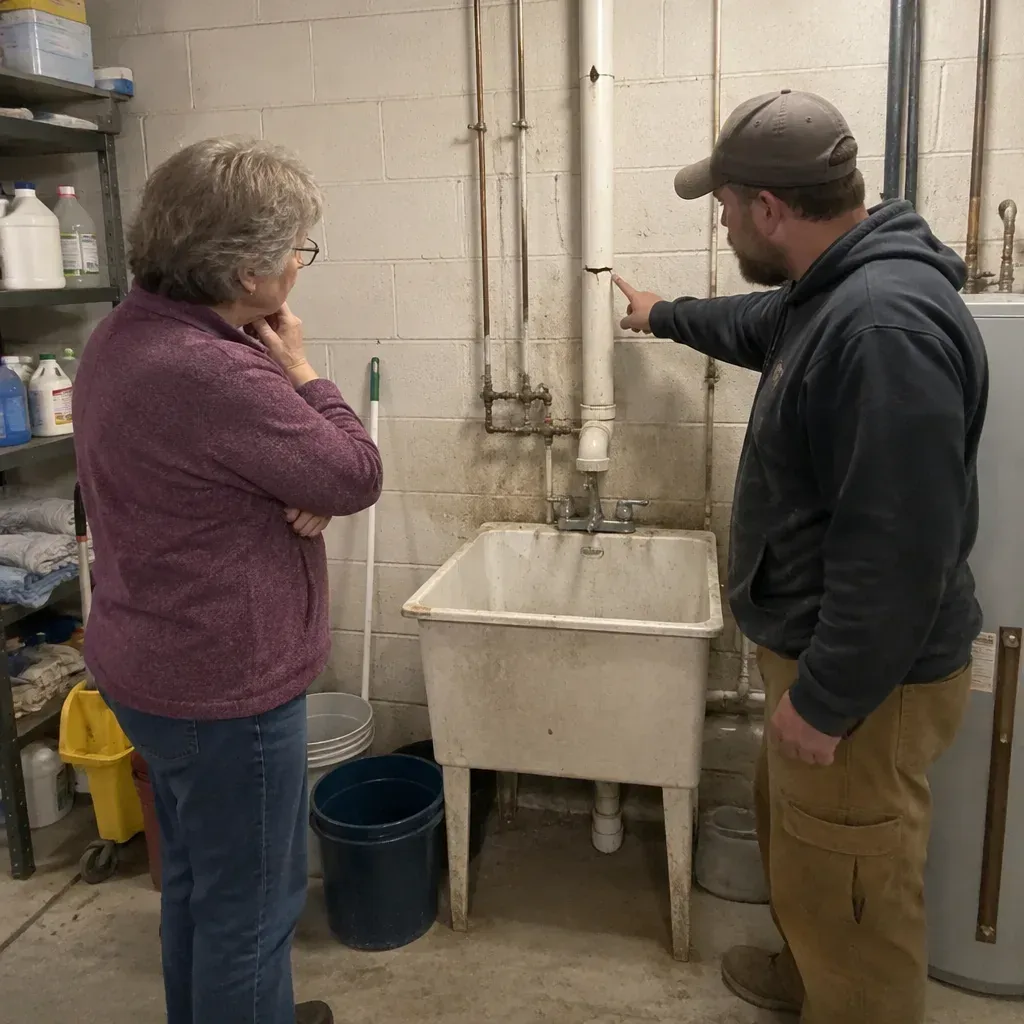
When reporting a suspected problem in Boulder, describe the observable sign and its location: for example, a patch of saturated ground, visible water, or a change in where water appears. Say whether it is near the meter, the house, or another clear point on the property. An owner does not need to decide who is responsible before making a report. Specific observations help identify which part of the service line needs to be discussed.
Property records can help an owner understand the line’s route or whether access rights are recorded, but they may not state who maintains each portion. Compare any available documents with the provider’s explanation for the Boulder address. A home near Coal Creek still needs an address-specific answer; a general map or a neighbor’s arrangement may describe a different service line. Treat records as useful context, then confirm the maintenance boundary with the provider.
Clarify the Segment and Duty
A disagreement can arise because “ownership” and “maintenance” describe different responsibilities, or because the parties are referring to different parts of the line. For a Boulder property, ask each party to name the segment they mean and the duty they are describing. This keeps a discussion about a suspected break focused on the same location and obligation, rather than turning into a broad dispute over the whole water service.
If the explanations still differ, ask the provider to identify the record or rule it used and where its maintenance boundary falls for the service address. Then compare that answer with the property documents and keep the relevant details together for whoever assesses the line. A clear description of the segment and the source of the responsibility decision helps prevent later confusion about which portion was discussed.
Dealing with a burst pipe in your home?
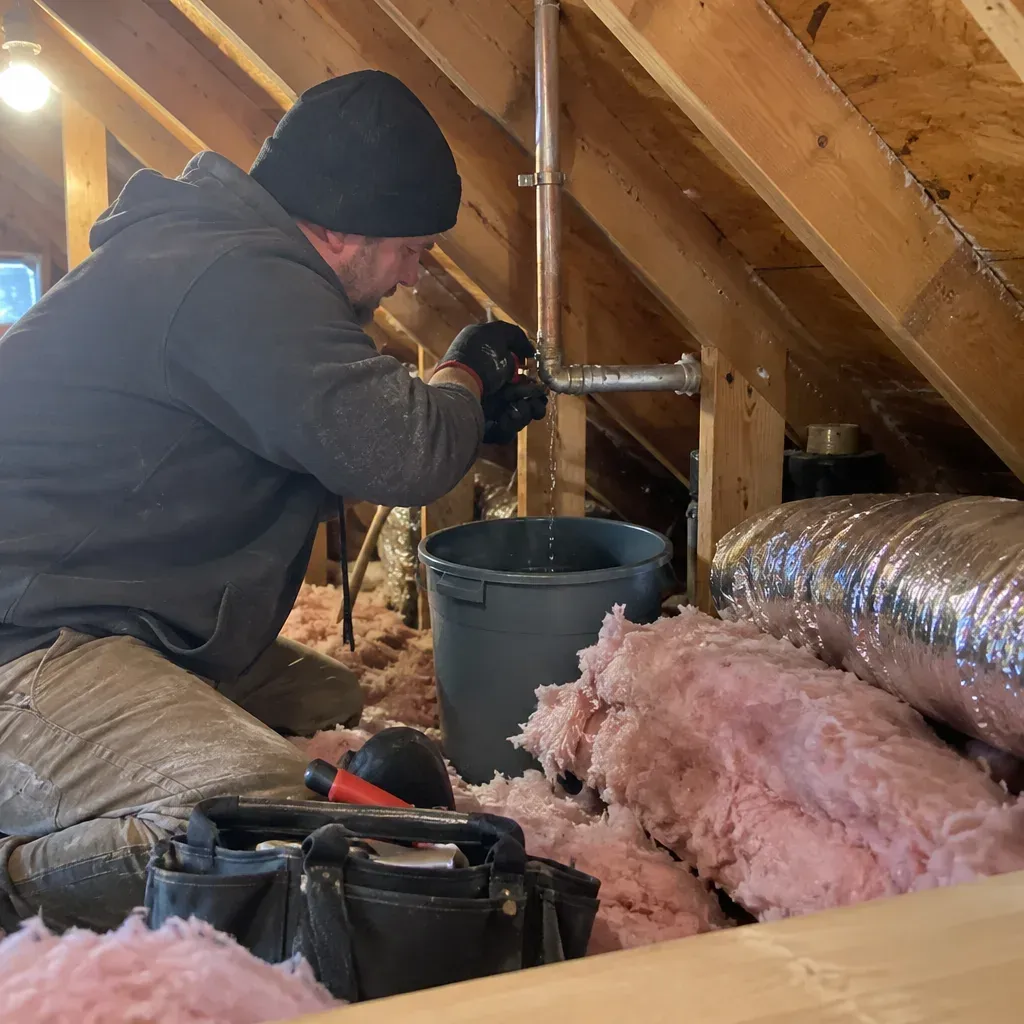
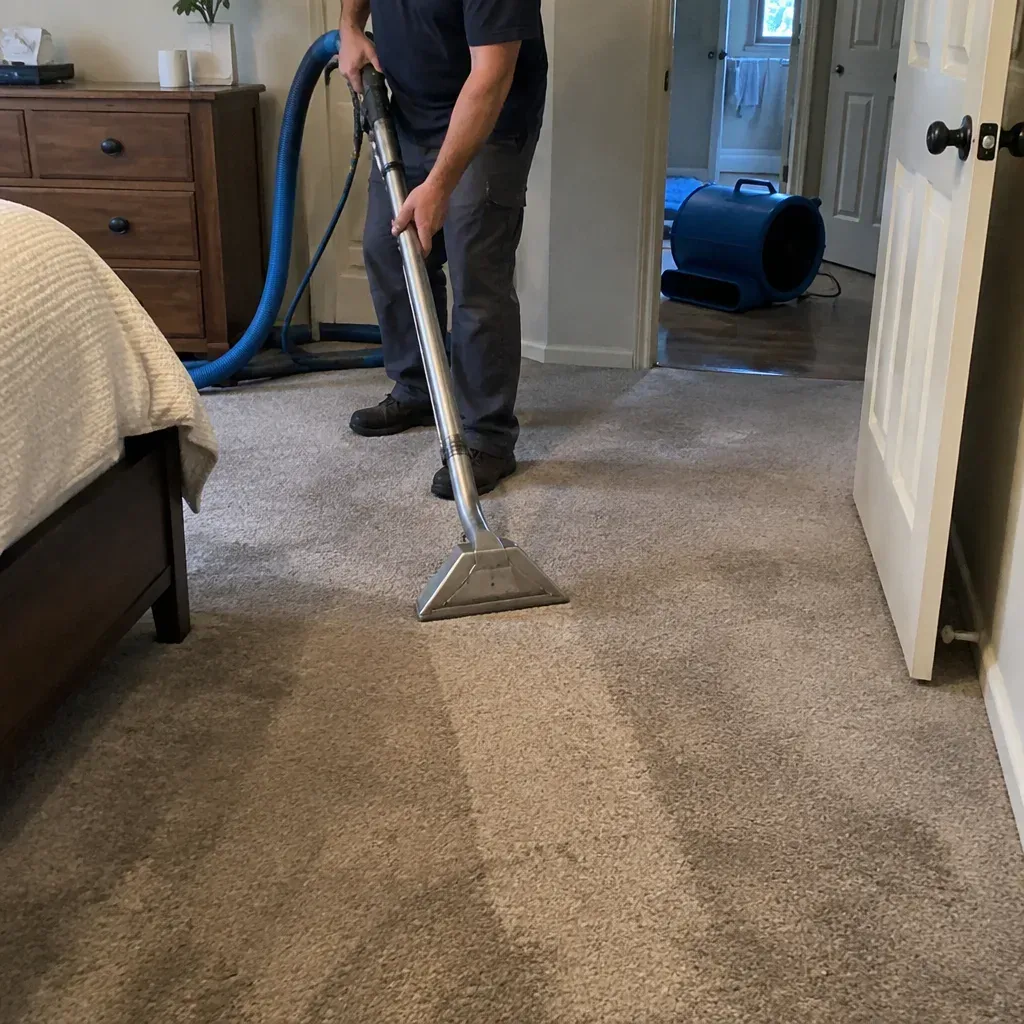
Check nearby flooring and baseboards for dampness, since water may spread beyond the visible mark. A split line can keep releasing water even if the wet mark appears elsewhere. For a Boulder ranch or split-level, tell the pros we connect you with what is visible; ask whether your address is covered, when they may come, and what visit charges apply. Call (303) 565-8339 to discuss repair options. Pipe work addresses the line; extraction, drying, and rebuilding may need another provider. If relevant, give landmarks such as Jamestown Town Hall, Little James Creek, or James Creek.