Inspect the Repair Surface
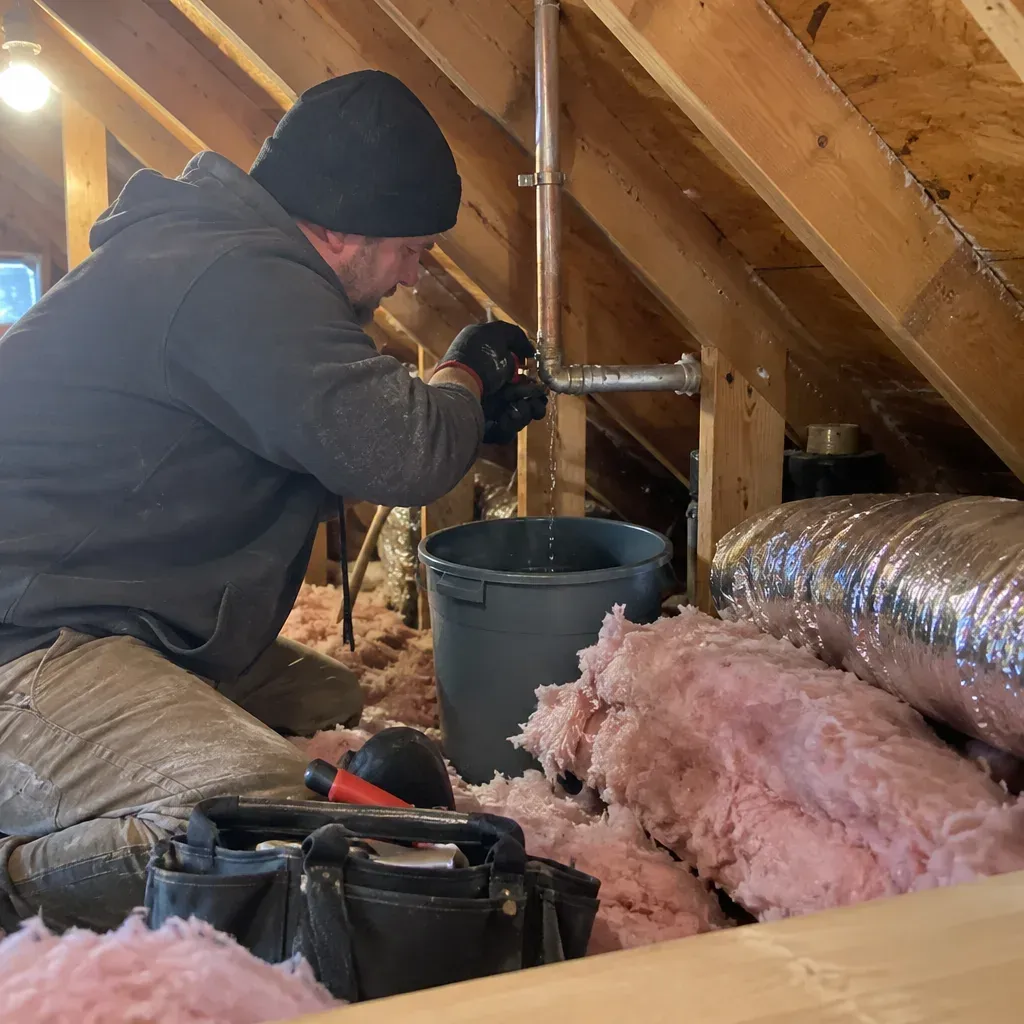
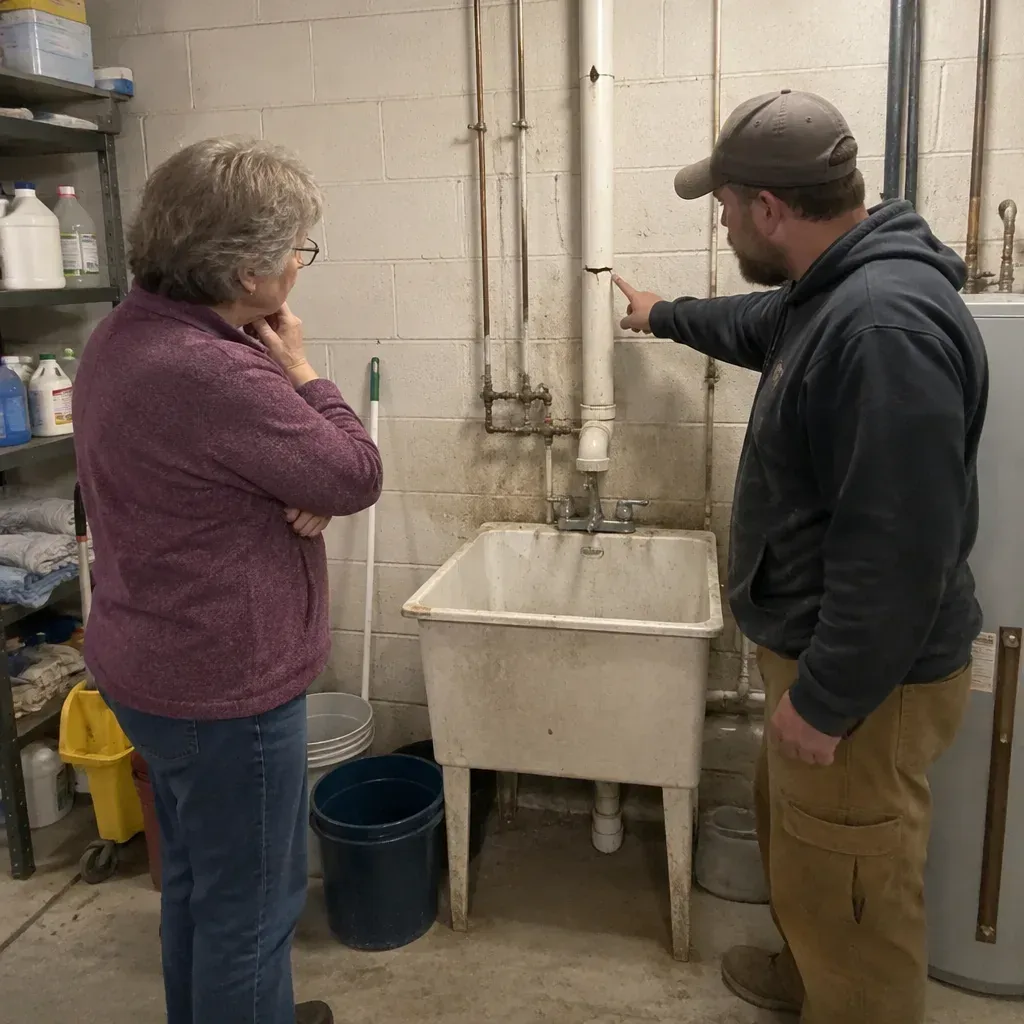
After a burst pipe repair, a plumber examines the repaired area under good light. The aim is to spot active seepage at a connection, a fine wet line, or fresh droplets, while distinguishing them from moisture left by earlier damage. In Boulder, this first look gives the homeowner a reference point before the line is tested under pressure. A dry exterior is useful evidence, but it cannot show by itself how the connection behaves once water service resumes.
The area around the work can add context. A damp mark that grows or a new bead forming below the repair may indicate continuing leakage; an old stain that stays unchanged may reflect earlier water exposure. At a Boulder property near Pearl Street Mall, for example, the owner can point out which marks appeared before the visit. That history helps the plumber interpret what is visible without treating every discolored surface as proof of a failed repair.
Assess the Line Under Pressure
A clear path to the shutoff lets the plumber stop the flow quickly if the inspection reveals a problem. This makes it easier to notice a connection that stays dry at first but begins to seep as the system fills. A homeowner in Boulder near Mapleton Hill can watch from a safe, dry spot and note what the plumber is observing. Water should not be restored through an area with an electrical hazard.
The plumber may also check nearby pipe supports, since movement along the line can place strain on the repaired section. The result depends on the repair and the plumbing system, so the plumber interprets the test in that context. If pressure does not hold as expected or moisture appears, the repair needs further attention before the work area is considered clear. The test complements a visual review; it does not replace one.
Review Connected Plumbing
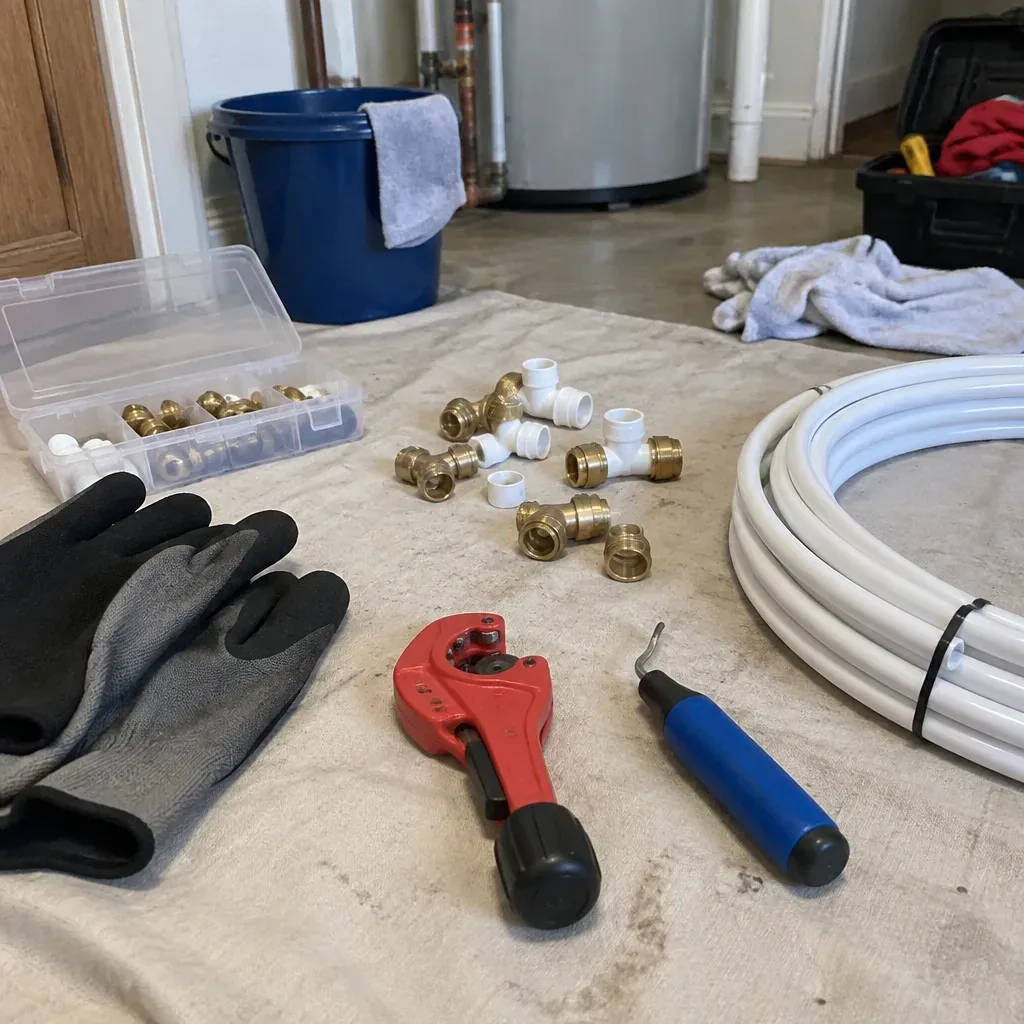
A plumber also checks accessible connections beside the repaired section. Water can escape at a neighboring coupling and run along a pipe, making the wet spot appear to come from somewhere else. Looking across the connected run helps distinguish a sound repair from a separate leak close by. In Boulder homes, including those near Chautauqua Park, the visible plumbing arrangement varies by property, so the inspection covers what is safely accessible rather than assuming every line is exposed.
With service restored, the plumber may observe fixtures supplied by the affected line, such as a faucet or appliance connection. A damp supply fitting or water appearing during fixture use can point to another leak that a check of the repaired pipe alone would miss. This observation helps establish whether the concern is limited to the burst section. The homeowner can ask which fixtures were included and whether any connections were out of view.
Monitor the Area Afterward
After the visit, the homeowner can look for new moisture near the repair and on nearby surfaces as ordinary water use resumes. A growing wet patch, recurring droplets, or a fresh drip deserves follow-up because it may signal water is still escaping. In Boulder, note where the sign appears and whether it changes; water can travel before becoming visible. Avoid wet areas if electrical equipment or wiring may be involved, and contact the plumber about new signs.
Before the plumber leaves, ask what they observed during the visual review, what the pressure test showed, and whether adjacent connections or fixtures were checked. The homeowner can also ask which new signs merit a follow-up call and where to watch once normal use resumes. Clear answers make the result easier to understand and give the owner a practical reference if moisture appears later. If a wet area presents an electrical hazard, stay clear and seek appropriate help.
Dealing with a burst pipe in your home?
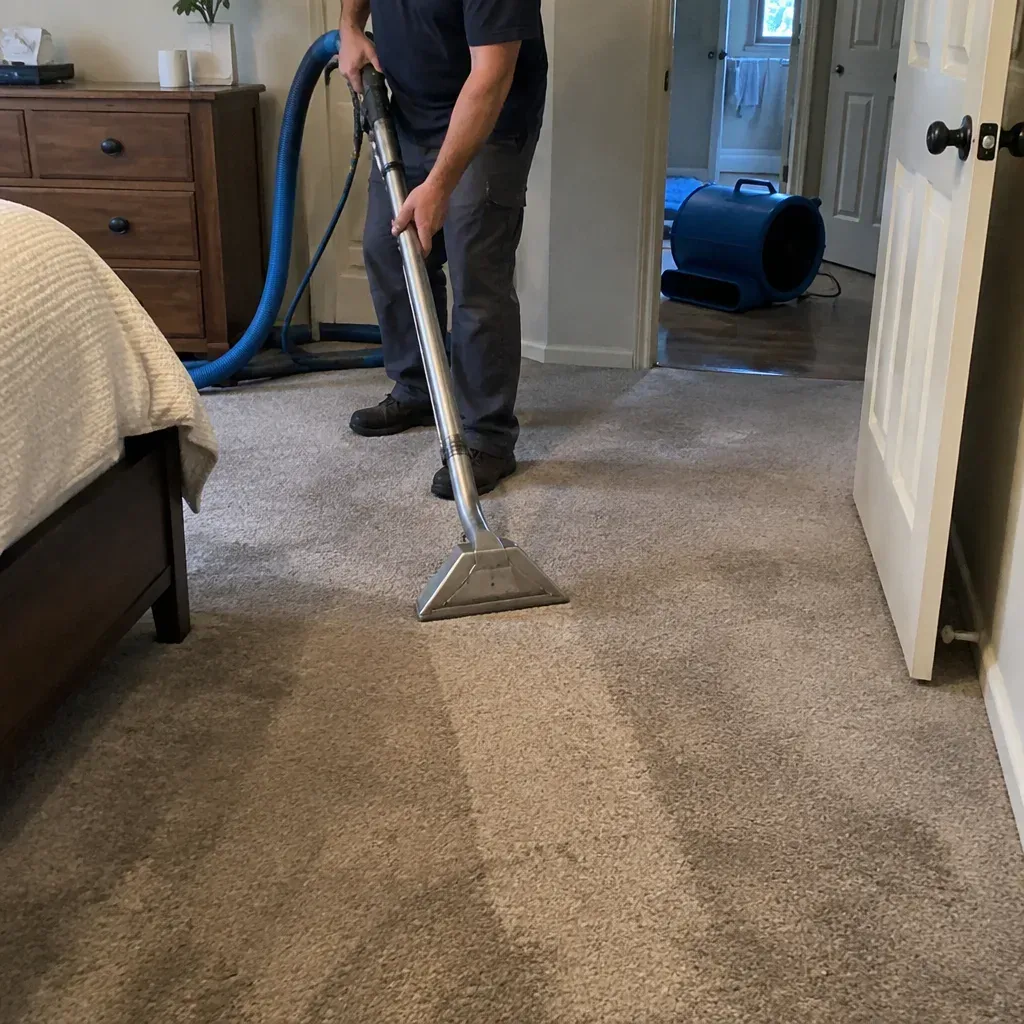
Check nearby flooring and baseboards for dampness, since water may spread beyond the visible mark. A split line can keep releasing water even if the wet mark appears elsewhere. For a Boulder ranch or split-level, tell the pros we connect you with what is visible; ask whether your address is covered, when they may come, and what visit charges apply. Call (303) 565-8339 to discuss repair options. Pipe work addresses the line; extraction, drying, and rebuilding may need another provider. If relevant, give landmarks such as Jamestown Town Hall, Little James Creek, or James Creek.