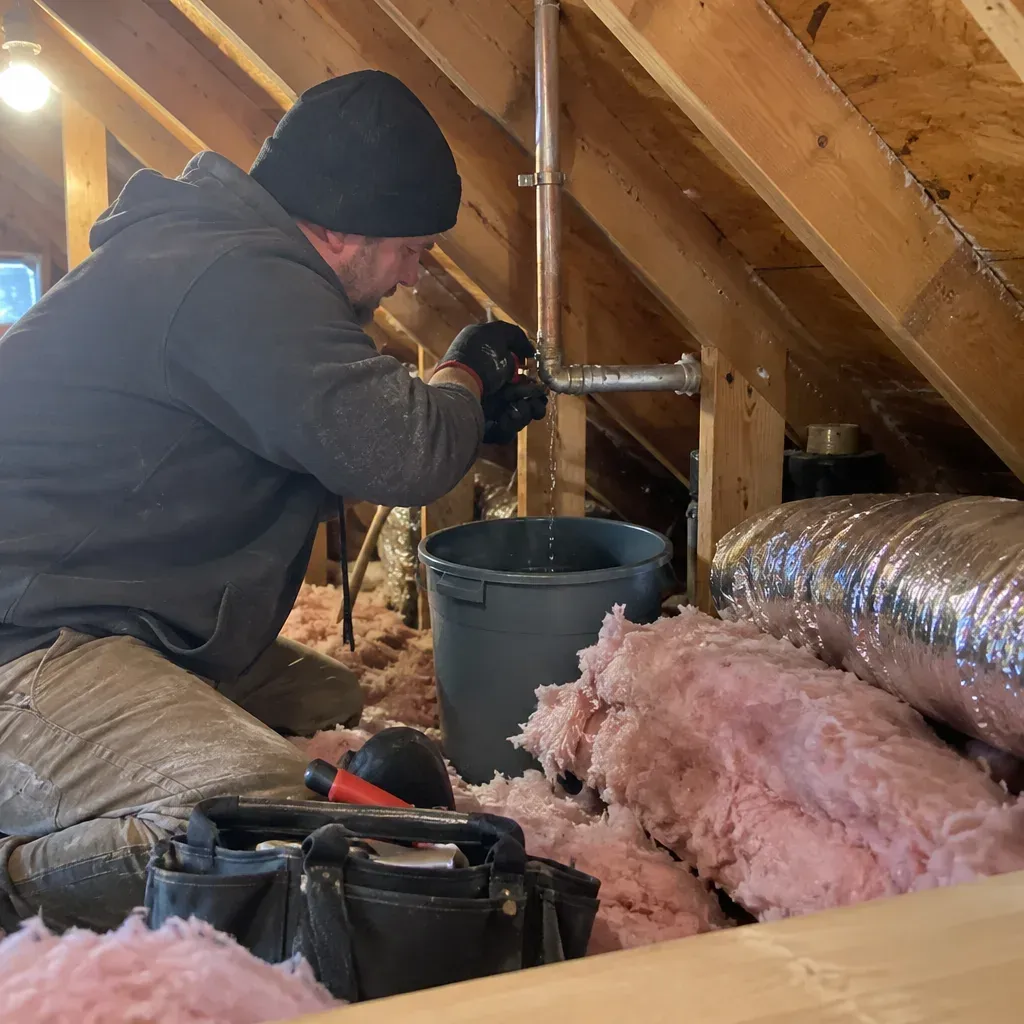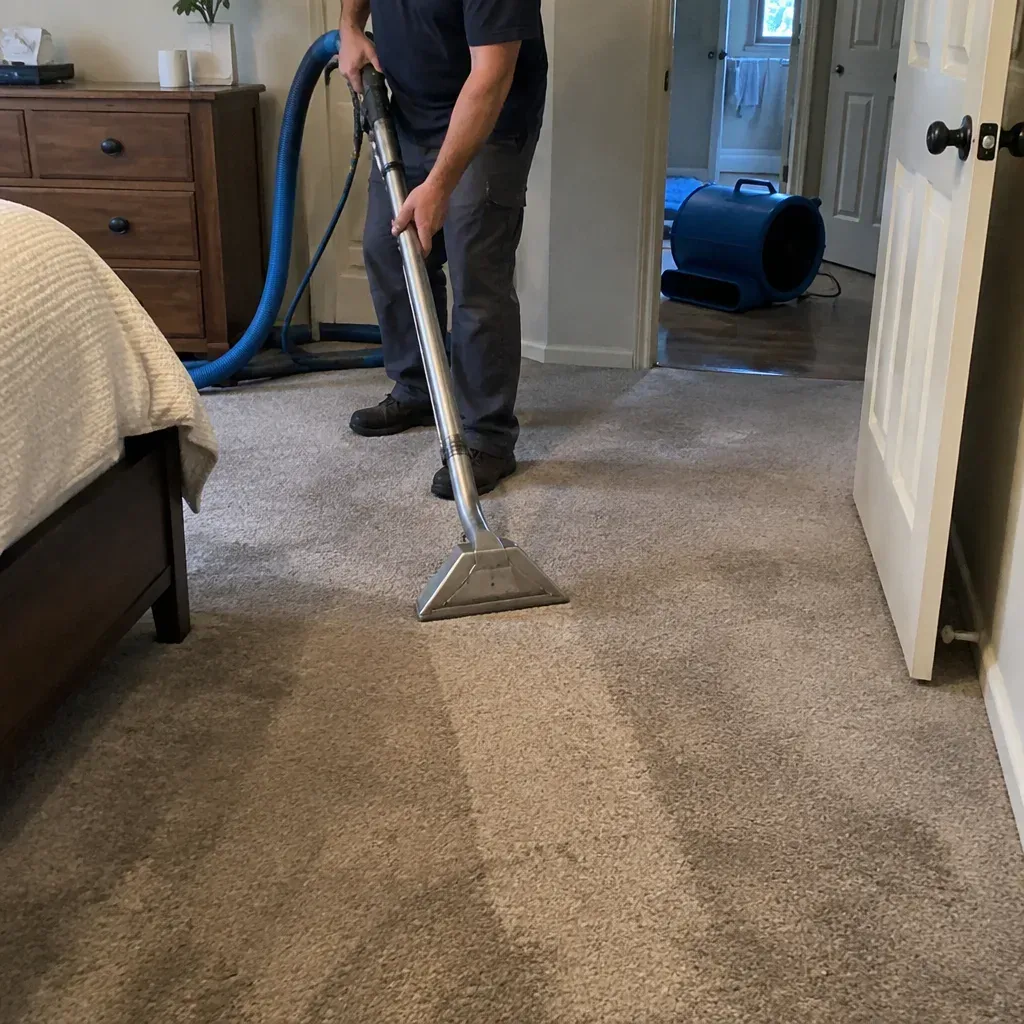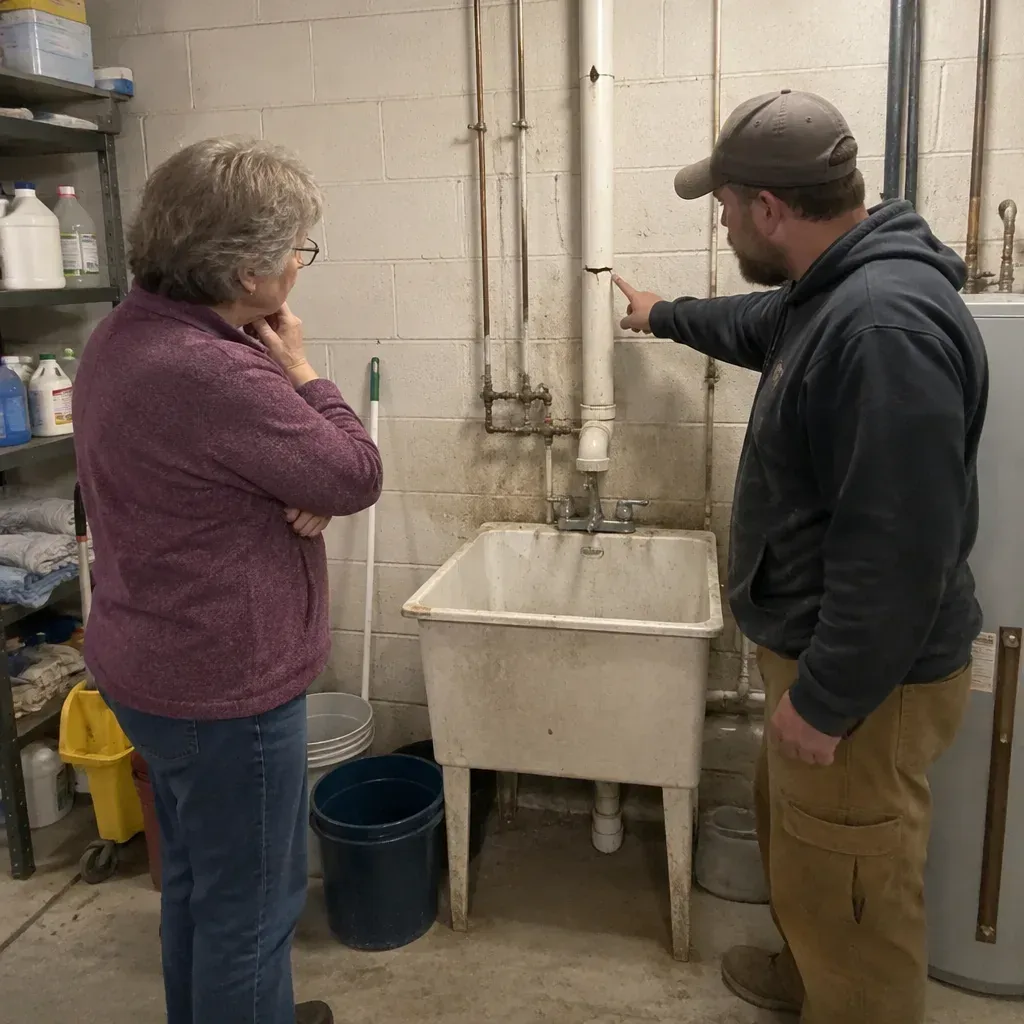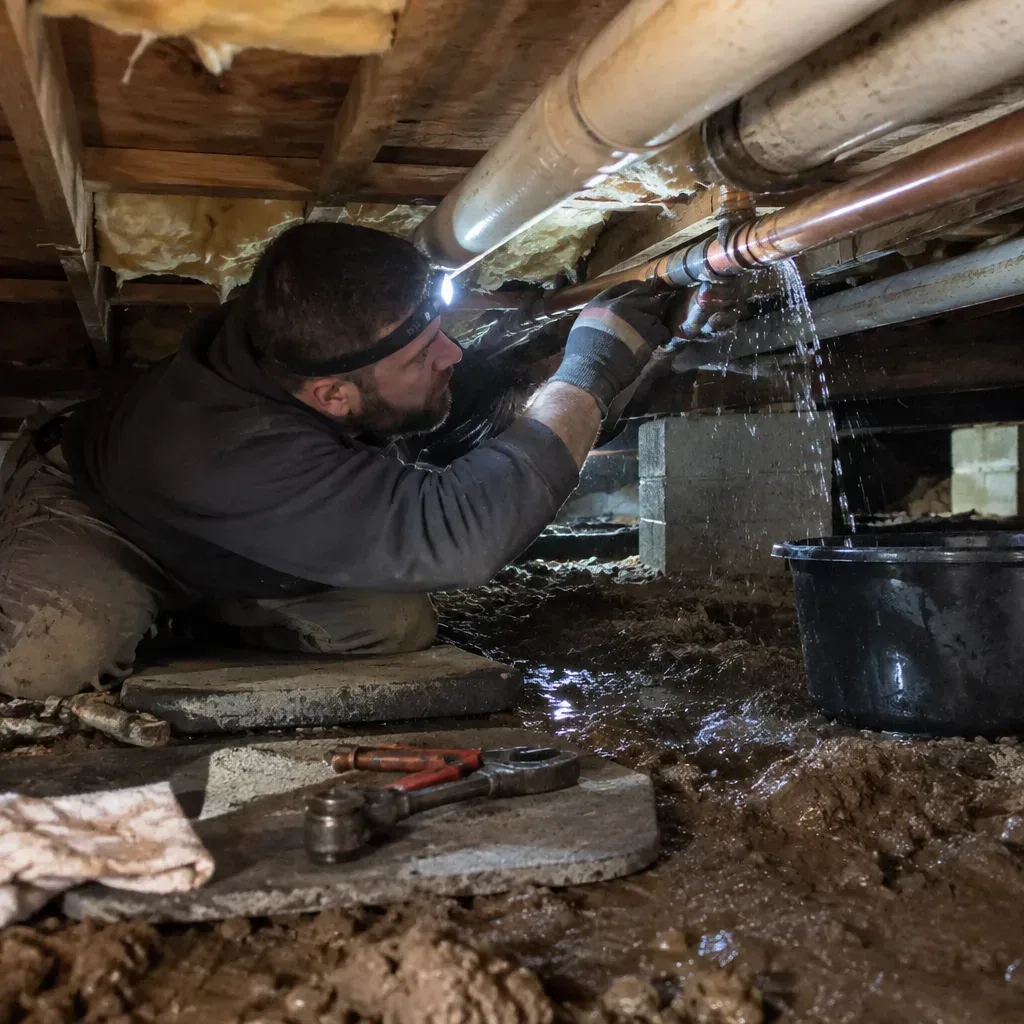
How the Repaired Line Affects Flow
Low pressure after pipe repair can come from a shutoff valve left partly closed, which limits water reaching fixtures even after the damaged section is sealed. A clogged faucet aerator can make flow seem weak at one fixture, even when pressure elsewhere in the home is normal. If the valve is fully open, debris disturbed during plumbing repair may restrict flow. Another leak or a separate supply issue can also reduce pressure, so a sound repair does not rule out another cause.
The flow pattern can help narrow where the restriction sits, though it cannot confirm the cause. Compare a faucet on the repaired line with one elsewhere, and note whether hot, cold, or both sides seem affected. A single weak outlet points toward a local obstruction, while several affected rooms can suggest a shared line or broader supply concern. In Boulder, the home’s own plumbing layout matters more than its style, whether it is a ranch or split-level.
A Valve or Restriction Along the Line
A valve that is not fully open can reduce the amount of water reaching downstream fixtures. If the accessible shutoff for the repaired section looks partly turned, the homeowner can return it to its normal open position only if it is dry and safe to handle. Do not force a stuck valve. If the pressure does not improve, tell the repair provider which line it serves and ask them to check the valve and repaired connection.
Repair can shift particles inside a line, and those particles may lodge in a narrow passage and limit flow. That can affect one fixture even when the rest of a Boulder home seems normal. A homeowner can check whether the weakness is confined to one outlet, but should avoid taking apart plumbing without knowing the fixture or line condition. If several outlets lose flow, the restriction may be farther upstream and needs assessment by the service provider.
Clues That Point to Another Leak
Low pressure together with fresh dampness, a growing mark on a surface, or the sound of water where it should be quiet can mean water is escaping again. In Boulder, stop investigating if reaching the area would mean entering a wet space or going near electrical equipment. A visible leak or new moisture near the repaired line calls for prompt contact with the repair provider, since continued flow can add water damage while reducing pressure at fixtures.
Pressure can also fall when the problem lies beyond the repaired section, such as another leak or a supply issue affecting the home. A homeowner near Coal Creek Golf Course, Waneka Lake Park, or Historic Downtown Louisville should report the actual address and affected fixtures; those place names do not establish what is happening inside a particular property. If there is no visible water, the provider can still assess whether the repair, another line, or the incoming supply needs attention.
When to Ask for Another Check
Ask the service provider to check again if pressure stays weak after an accessible shutoff is fully open, or sooner if fresh wetness or a visible leak appears. In Boulder, the owner can report which fixtures are affected and whether the problem began after the repair; a home near Pearl Street Mall needs the same clear description before further work is planned. The provider can check the repaired section under pressure and look for a continuing leak. If that section holds, ask whether another supply issue needs separate diagnosis.
When arranging a return visit, ask whether the repair was checked while the line was under pressure and whether the current flow points to that section or another supply concern. Mention any wet surface, sound of water, or fixture that behaves differently. A clear description helps the provider choose what to inspect first. If pressure has dropped across the property, ask whether the home’s main supply should also be evaluated.
Dealing with a burst pipe in your home?
Check nearby flooring and baseboards for dampness, since water may spread beyond the visible mark. A split line can keep releasing water even if the wet mark appears elsewhere. For a Boulder ranch or split-level, tell the pros we connect you with what is visible; ask whether your address is covered, when they may come, and what visit charges apply. Call (303) 565-8339 to discuss repair options. Pipe work addresses the line; extraction, drying, and rebuilding may need another provider. If relevant, give landmarks such as Jamestown Town Hall, Little James Creek, or James Creek.