Visible Signs of a Pipe Break
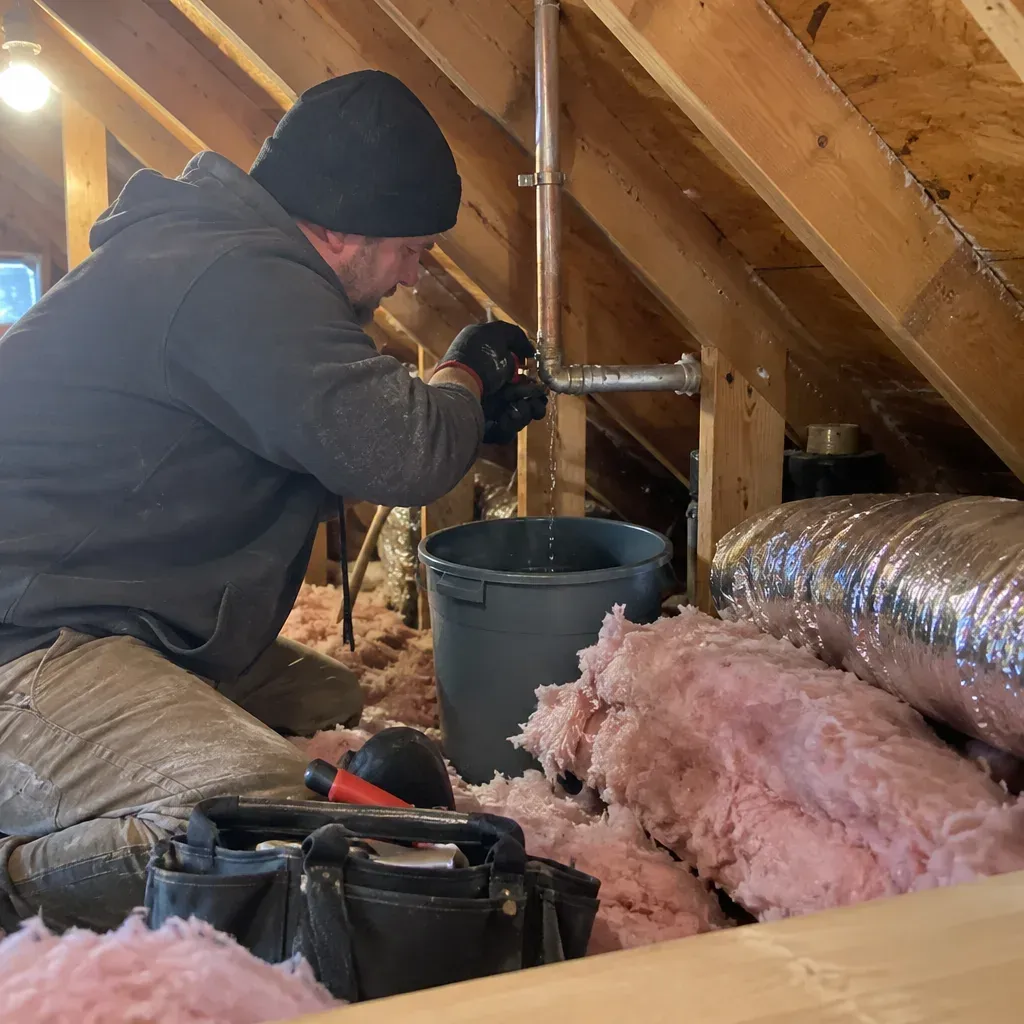
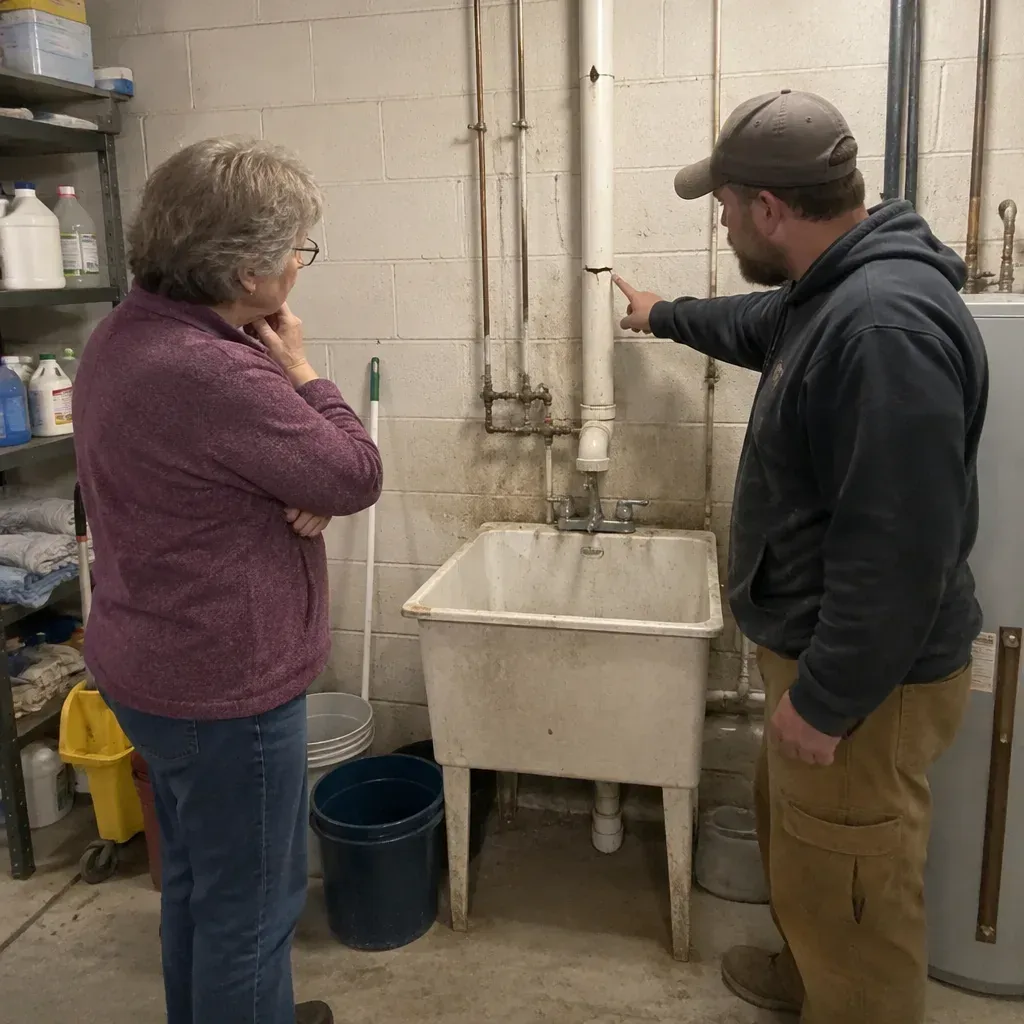
A leak may begin as a slow drip at a connection, leaving little visible evidence until water reaches a nearby surface. In Boulder, a visible split, spray, or steady flow can point to a break in a pressurized supply line; a sudden wet patch may be the first sign the tenant sees. This page starts with what those signs can tell a renter, then explains what to report, who generally arranges landlord plumbing repair, and how the lease shapes follow-up.
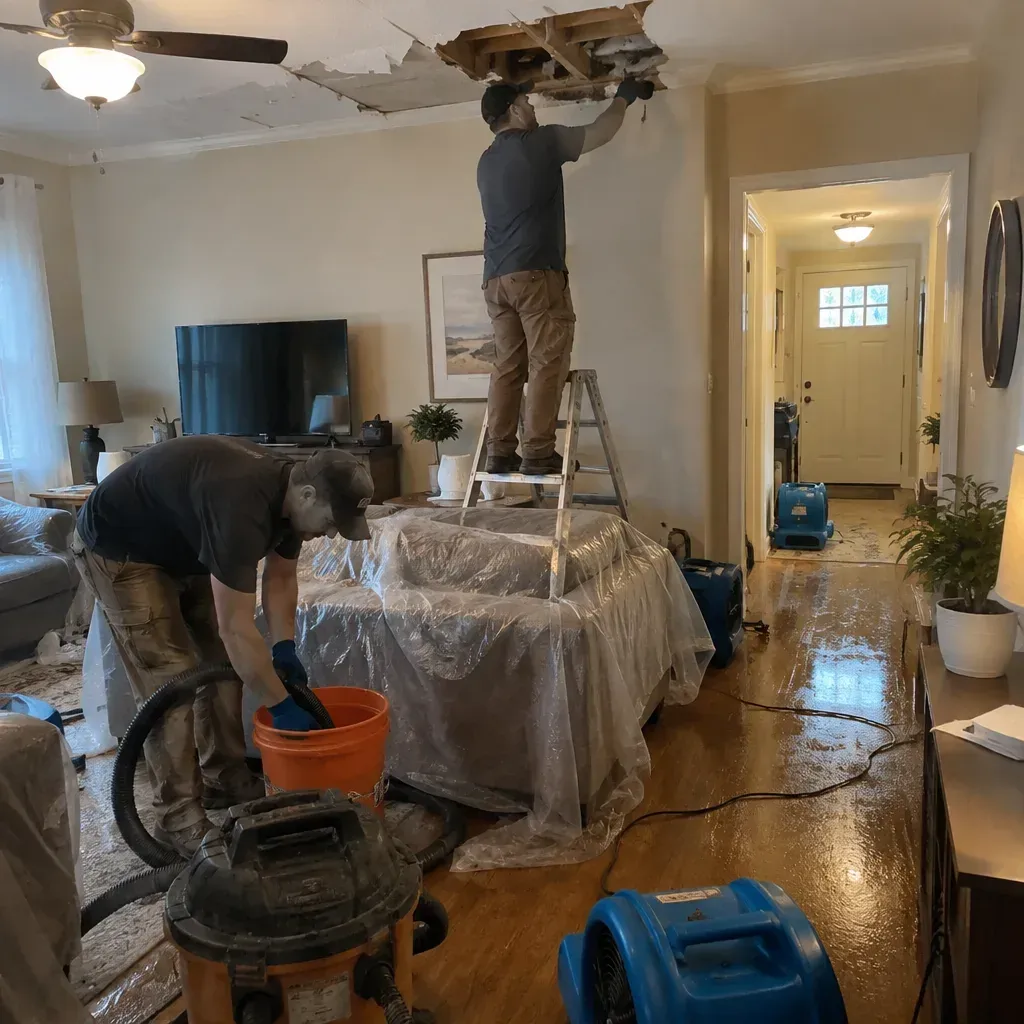
Water showing on a ceiling or wall does not identify the break’s exact location. A clear photo of the affected area can preserve what the renter observed when making a maintenance report. A damp spot that grows, fresh discoloration, or a musty smell can help show whether the affected area is changing. A renter does not need to open a wall or floor to establish what failed; the visible pattern is useful information for the property manager.
What to Record and Report
When a tenant finds a leak in Boulder, prompt notice gives the landlord or property manager a chance to arrange an assessment before water affects more of the home. Report the room, the visible symptom, when it began, and whether the area appears to be changing. A concise written message also leaves a record of what the renter observed and when they raised it. A photo can show the location and spread, provided it can be taken without entering an unsafe area.
The condition of the surroundings can matter as much as the wet patch itself. In Boulder homes, including rentals near Mapleton Hill, note whether water is close to an outlet, appliance, or light fixture, and keep people away from a wet electrical area. Do not cross standing water to get a closer view. If a shutoff is plainly accessible without approaching a hazard, the renter can tell the manager where it is; handling a valve is appropriate only when safe.
Who Arranges Rental Plumbing Work
For a burst supply line inside a Boulder rental, the landlord or property manager generally arranges a plumber because the plumbing is part of the property. The owner can authorize access and decide how the plumbing work is coordinated. A tenant who discovers the problem should notify the responsible contact promptly rather than assume that spotting the leak makes the tenant responsible for hiring someone. Lease terms and applicable local requirements can affect the process, so the rental agreement remains relevant.
Seeing water does not establish what caused a tenant burst pipe or who must pay. A cold spell can be relevant in Boulder, but it does not by itself show whether a line was exposed, whether the home’s plumbing was maintained, or what duty the renter had. The tenant should describe observed conditions without guessing at the cause. The landlord or manager can arrange a plumbing assessment, then address responsibility using the facts, rental agreement, and applicable requirements.
Urgency and Lease Follow-Up
Active flow, a wet area that keeps expanding, or water appearing near electrical equipment calls for urgent contact with the property manager. In a Boulder rental, explain what is happening now and where; a leak that continues can spread into nearby walls, ceilings, or floors. Keep people and pets away from the wet area while waiting for instructions. The priority is to communicate the changing condition, not to investigate concealed plumbing.
After the first report, follow the lease for entry, updates, and any required emergency contacts. In Boulder, a rental near Pearl Street Mall or Boulder Creek follows the same need for clear coordination: tell the manager if the visible water changes, and make the affected area accessible when it is safe to do so. Ask who will arrange the plumbing visit and how updates will be shared. The agreement and applicable local requirements guide the next steps; do not infer them from the leak alone.
Dealing with a burst pipe in your home?
Check nearby flooring and baseboards for dampness, since water may spread beyond the visible mark. A split line can keep releasing water even if the wet mark appears elsewhere. For a Boulder ranch or split-level, tell the pros we connect you with what is visible; ask whether your address is covered, when they may come, and what visit charges apply. Call (303) 565-8339 to discuss repair options. Pipe work addresses the line; extraction, drying, and rebuilding may need another provider. If relevant, give landmarks such as Jamestown Town Hall, Little James Creek, or James Creek.