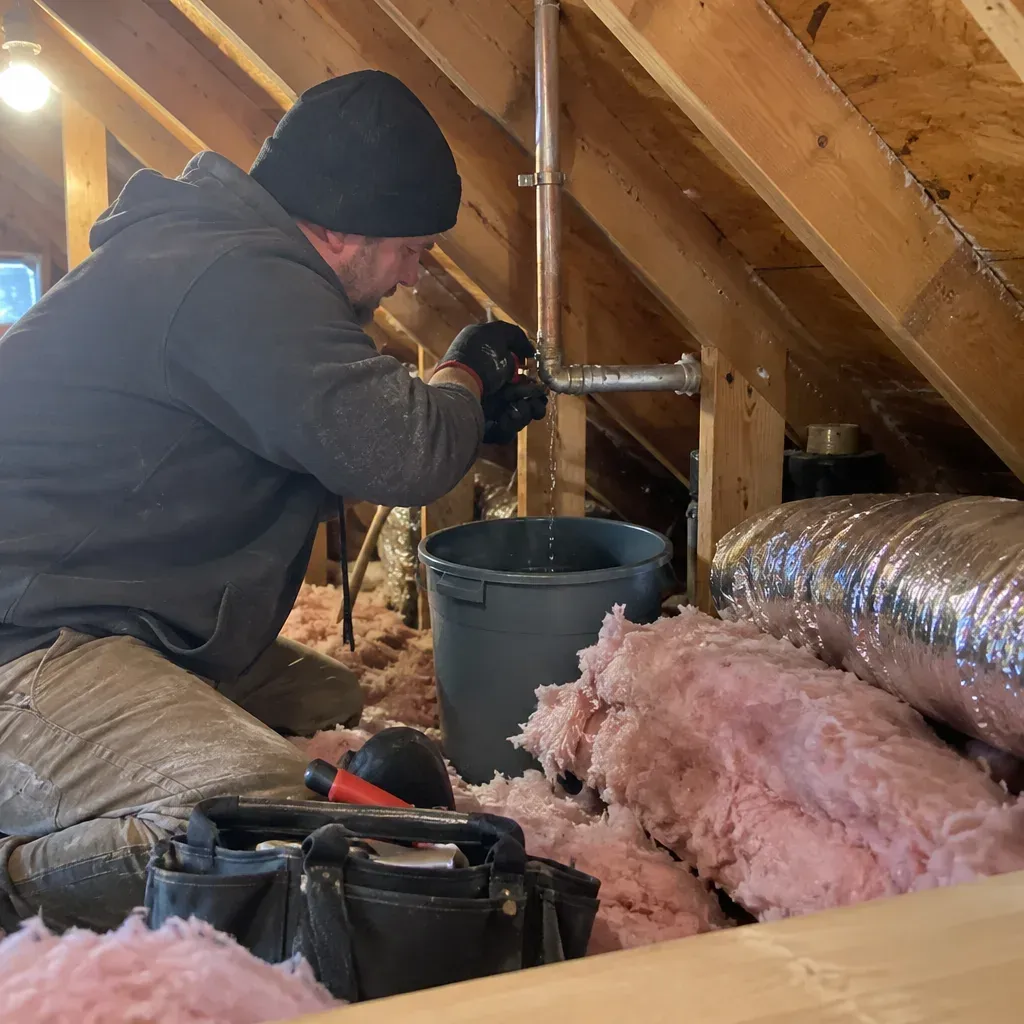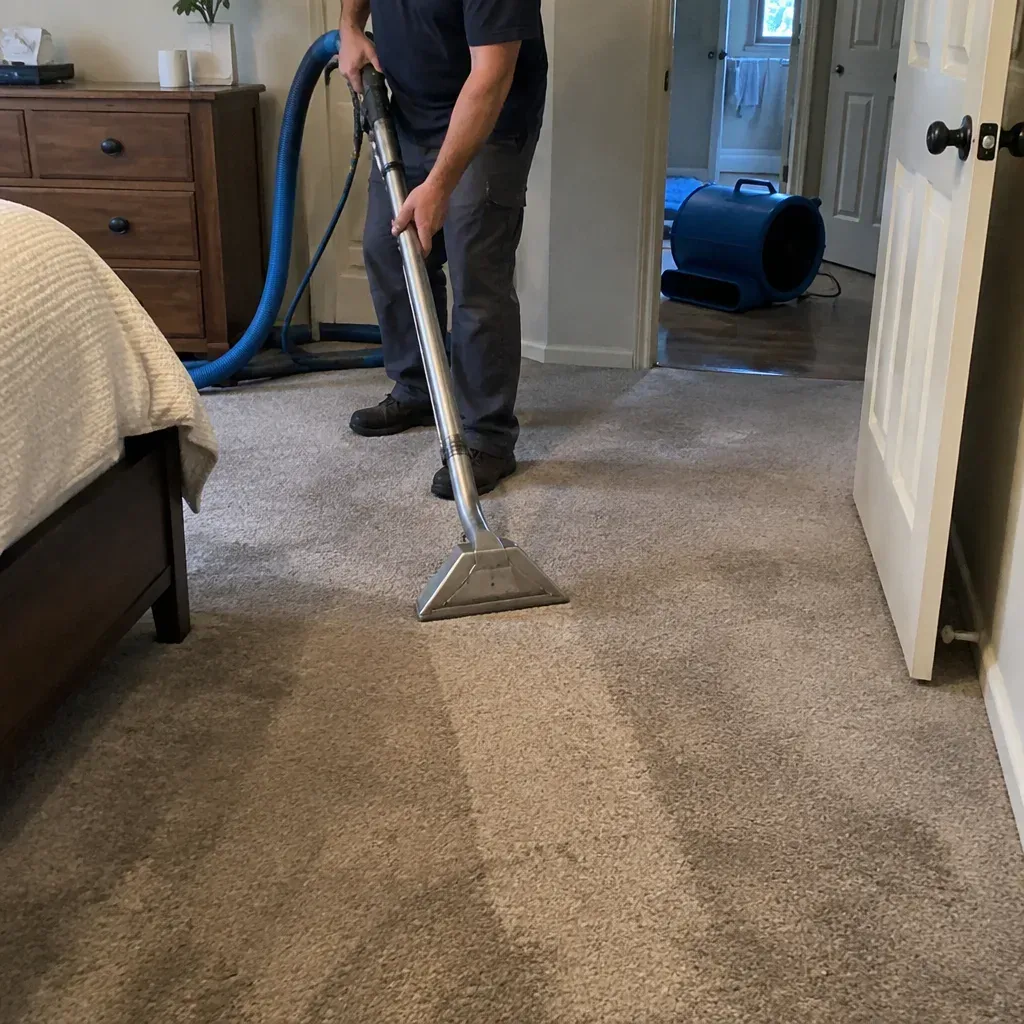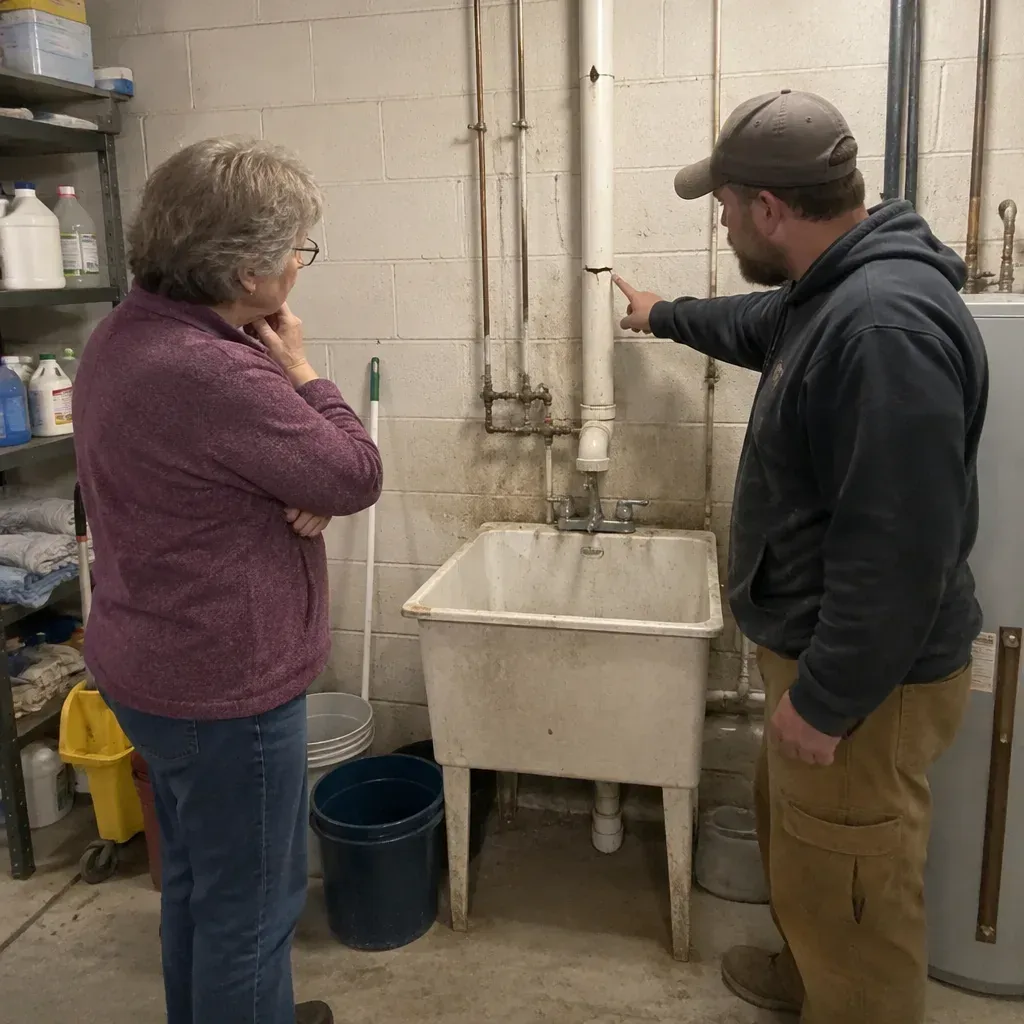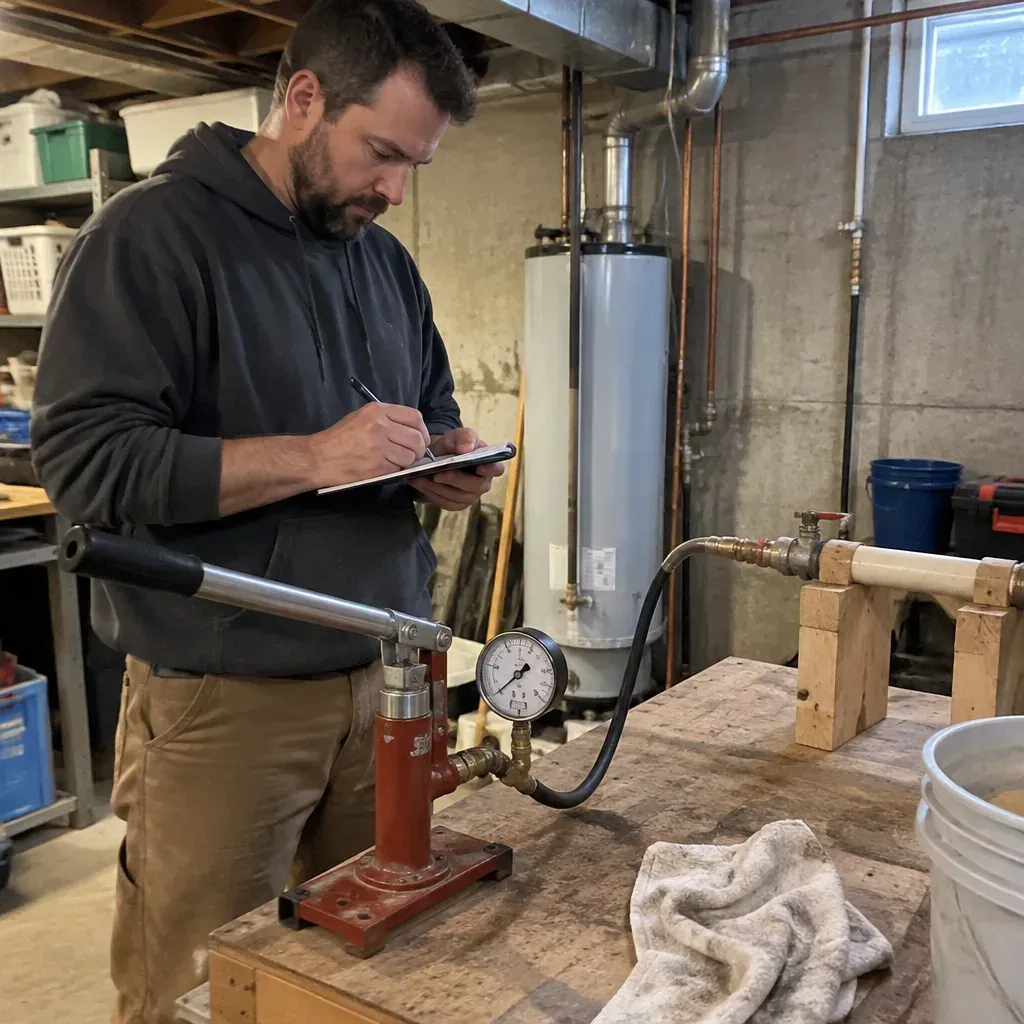
Photos of Water and Pipe Damage
Do not enter a wet room if water is near electrical equipment; stop at a safe vantage point and document what can be seen. For a Boulder homeowner, wide photos can show which rooms and surfaces were affected, while close views capture stains, warped trim, or visible pipe damage. A short video can connect those views and show water moving or collecting, if that can be recorded safely. Keep original files when possible, since edits or cropped copies may remove useful context. Label images by room and property area, such as a lower level near Rock Creek.
A clear event sequence can help connect the damage to the plumbing visit. Write down when the owner first noticed the problem, what was visible, when the plumber was contacted, and when the repair took place. In Boulder, note any change that affected access, such as water appearing on a different floor or a concealed line becoming visible after opening a surface. Keep the notes factual and mark uncertain times as estimates. A ranch or split-level may have water show up away from the break, so record where each sign appeared.
Plumber Records and Other Work
For a Boulder claim, keep burst pipe insurance documentation in one dated file. Label photos and videos with the room and visible damage, then save the plumber repair invoice and any work description showing what was done. Include messages with the insurer and claim details so decisions and requests remain traceable. Record damaged belongings and mitigation work with images, receipts, and notes on what was moved or discarded. Identify the property location clearly, such as near Pearl Street Mall, Chautauqua Park, or Colorado Boulder. Save copies and ask the insurer which records it needs.
Keep plumbing records distinct from paperwork for wet building materials or household contents. The plumber’s documentation concerns the water line and its repair; drying, removal of damaged finishes, and rebuilding may be handled by separate providers. A Boulder homeowner can use separate folders or clear file names so a wall repair receipt is not mistaken for pipe work. Preserve records from each provider, including descriptions of the area handled and work completed. This separation makes it easier to see which documents explain the source repair and which describe resulting property damage.
Insurer Messages and File Requests
Keep written exchanges with the insurer in the same claim file, including emails, letters, and portal notices. For phone calls, note the date, representative’s name when available, and the main instruction or question discussed. In Boulder, a homeowner may also need to retain messages between the property owner and the plumber if they explain scheduling, findings, or documents supplied. These records can show what information was shared and when, which helps if details are later unclear. Save attachments with the message that delivered them instead of relying on an inbox search.
Keep the claim reference with the insurer’s written directions and any follow-up about documents still needed. If a request is unclear, ask which item the insurer wants, the preferred format, and where it should be sent; retain the reply with the request. A Boulder owner can note when each requested record was provided and keep a copy of the submission. That creates a usable trail if a file upload fails or a document needs to be supplied again. Follow the insurer’s instructions for its claim process, since requirements can differ by policy and loss.
Belonging Damage and Follow-Up Work
For damaged belongings, record enough detail to identify each item and its condition before it is discarded or moved, when safe and practical. A Boulder homeowner might include the room, item description, and visible effect of water, with an image that shows the item in place. Existing receipts, manuals, or order records can help identify a specific item, but do not guess at missing details. Keep this material apart from the pipe repair paperwork. A reference to Waneka Lake Park or Louisville belongs only in a location note when it helps distinguish the property or site involved.
Save documents for actions taken to limit further damage, such as receipts for materials or written notes from a service provider. These records help show what happened after the leak was found and which work addressed ongoing water effects. In a Boulder file, connect each receipt or provider note to the relevant room or visit, then keep it with the related photographs and timeline. Ask the insurer whether it wants additional records for those steps. A homeowner should retain copies even after the immediate work is done, because later claim questions may depend on the sequence.
Dealing with a burst pipe in your home?
Check nearby flooring and baseboards for dampness, since water may spread beyond the visible mark. A split line can keep releasing water even if the wet mark appears elsewhere. For a Boulder ranch or split-level, tell the pros we connect you with what is visible; ask whether your address is covered, when they may come, and what visit charges apply. Call (303) 565-8339 to discuss repair options. Pipe work addresses the line; extraction, drying, and rebuilding may need another provider. If relevant, give landmarks such as Jamestown Town Hall, Little James Creek, or James Creek.