Why Restored Service Can Carry Air
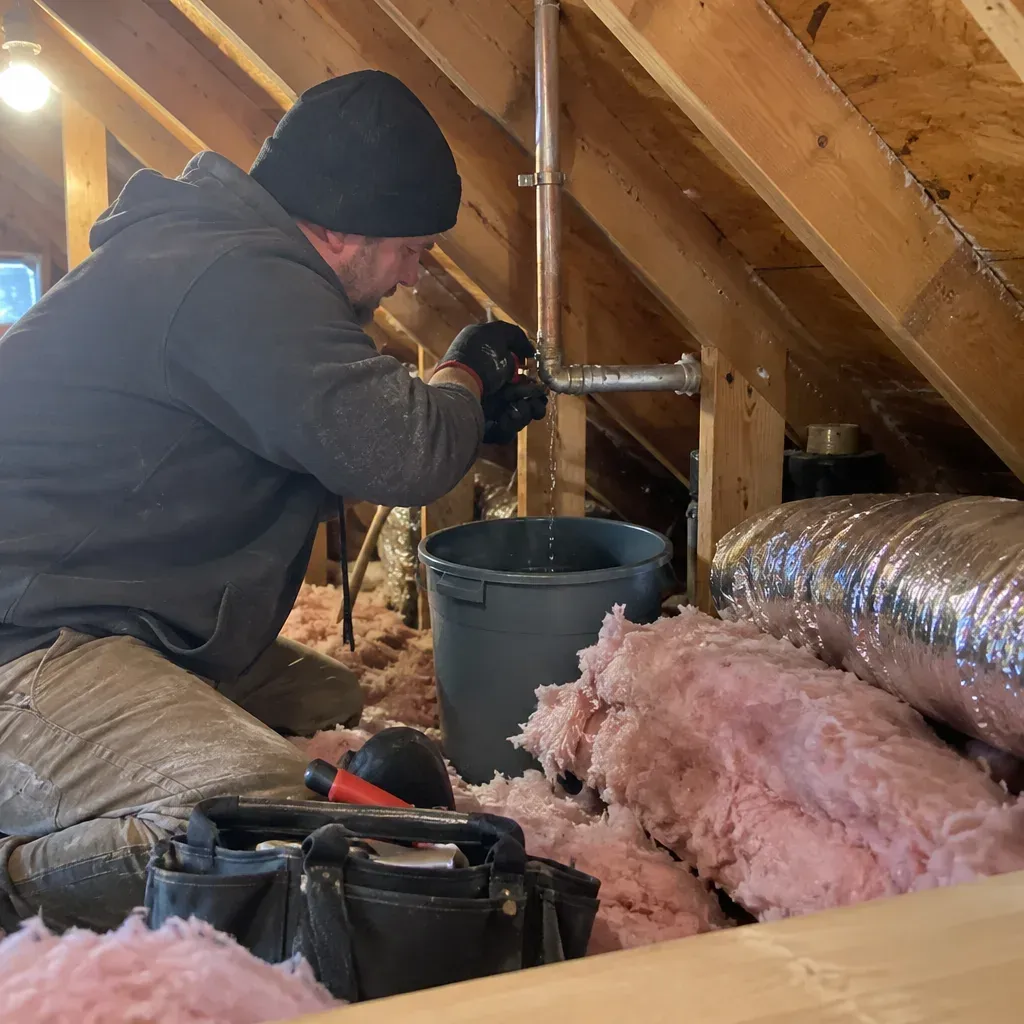
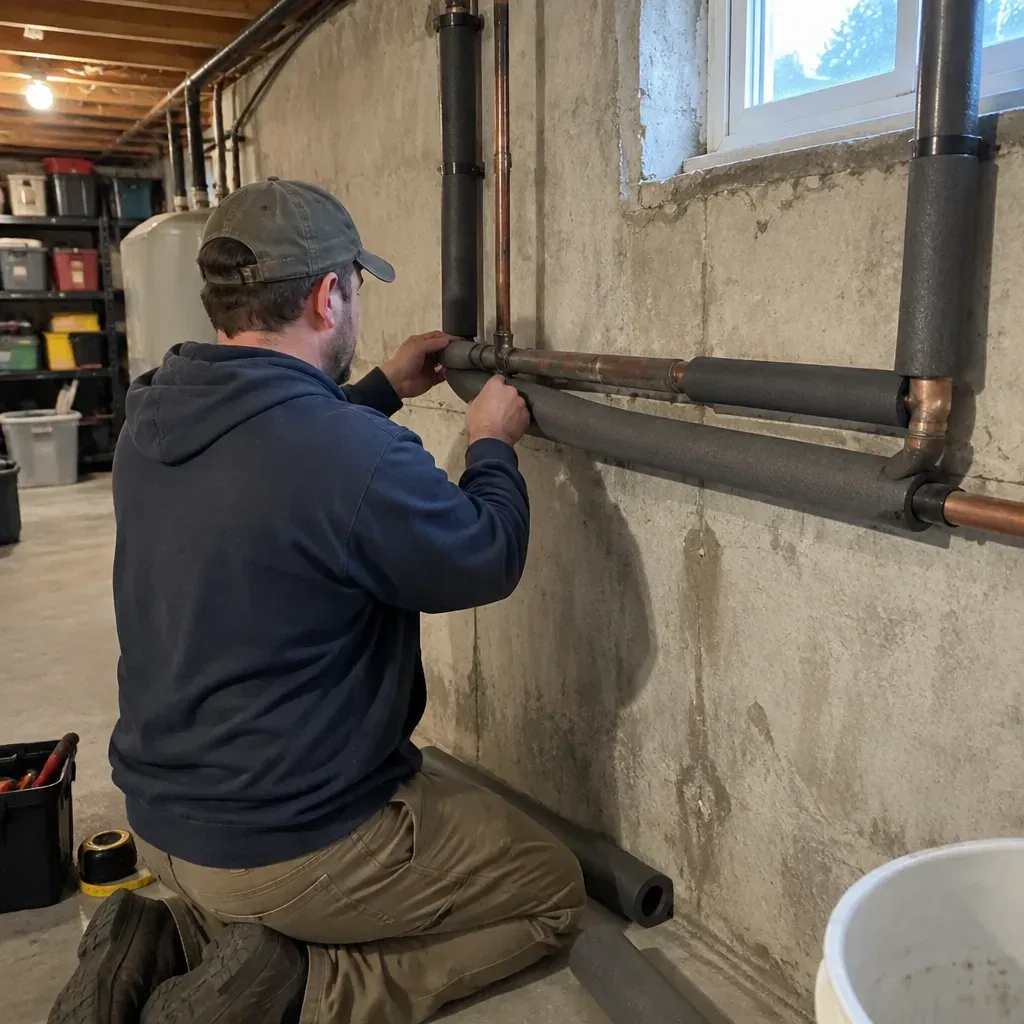
A homeowner may hear a faucet sputter when water service resumes because air remained in the line while the damaged pipe was isolated or opened for repair. As water moves through the pipe again, it can push that air toward an outlet, interrupting the stream until the air escapes. That behavior can occur after a repair even when the repaired section is holding. In Boulder, a brief sputter at the first use is a clue to observe, not by itself proof of another break.
Air moving through a faucet can make the stream pulse, spit droplets, or produce a short hiss. The sound comes from air and water passing through the outlet together, so it may change from one moment to the next. A homeowner can note whether the interruption happens at the start of use or continues throughout it. The pros we connect you with can use the property address, whether near Waneka Lake, Rock Creek, or Jamestown Town Hall, to understand which repair visit the owner means.
Compare the Affected Fixtures
The number of affected fixtures offers a useful clue about where the air may be. If a sputtering faucet is the only one in a Boulder home, the disturbance may be limited to the pipe route serving that fixture. A clogged aerator can also make a faucet sputter while the rest of the plumbing works normally. The pattern does not locate a break by itself, but it helps the repair professional understand how widely the symptom appears.
A homeowner can also note whether the sputter happens at one faucet setting or at more than one, when the controls make that distinction clear. A difference between settings can help describe which part of the fixture’s supply path is involved. Record the fixture and setting without taking the faucet apart. In a Boulder ranch, split-level, or subdivision house, these observations give the repair professional a clearer account of what changed after service returned.
Clues at the Faucet and Nearby
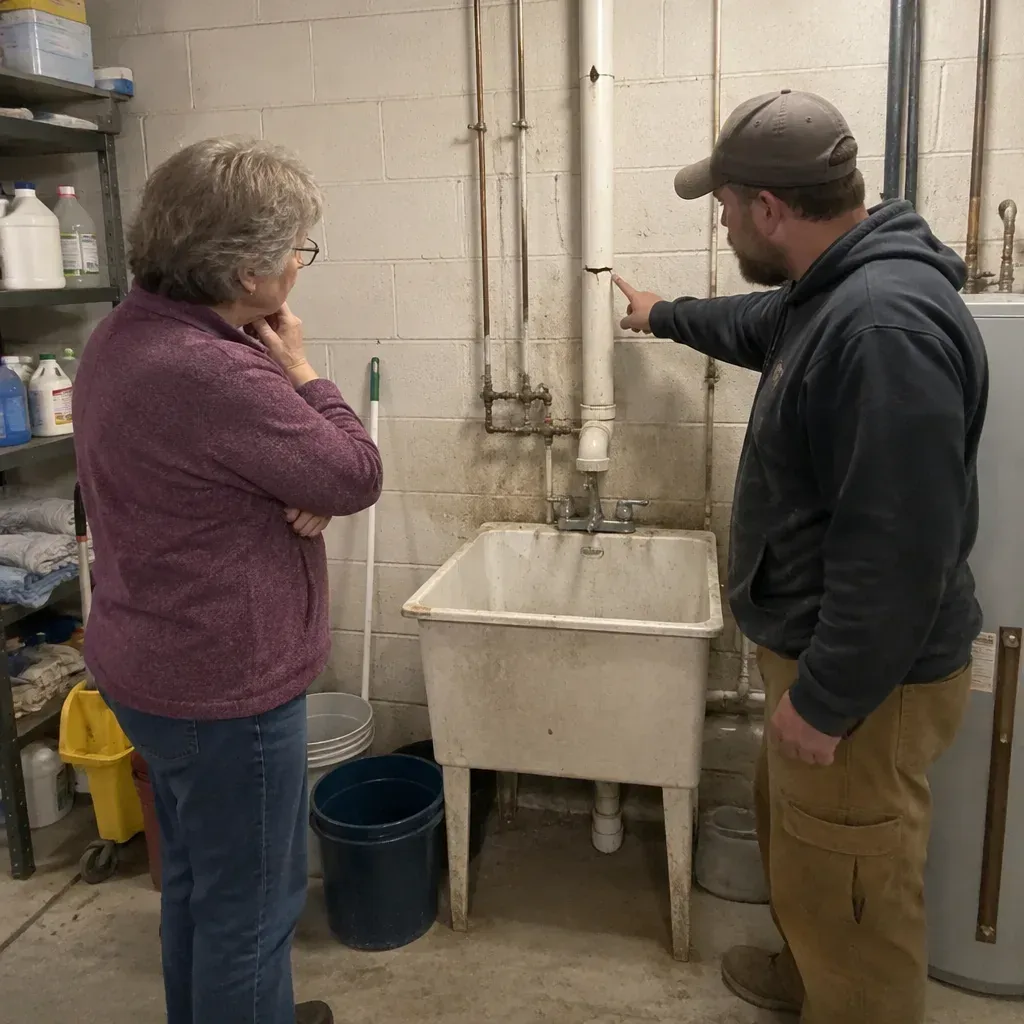
Air passing out through the faucet is carried away in the water stream; it does not create a new source of water around the repaired pipe. A homeowner can observe whether the interruption is confined to the outlet or whether moisture is appearing on an exposed pipe, fitting, cabinet surface, or nearby floor. Those locations help distinguish a faucet symptom from water escaping elsewhere. Even a small leak can damage nearby materials if it continues unnoticed.
The way the sputter changes over ordinary use can also help explain what is happening. Air moving through the line may become less noticeable as it exits, while a faucet that keeps breaking into uneven spurts on later uses is a pattern worth recording. Note when it occurs and which fixture shows it; that record gives the repair professional something specific to compare with the completed work. The observation does not require opening a wall or handling the repaired pipe.
What to Tell the Repair Professional
Contact the repair professional if sputtering is still occurring during later uses, or if the homeowner finds moisture near the repaired area or a lasting change in water pressure. Describe which fixtures are affected and where any visible water appears. In Boulder, that information helps the professional decide whether the symptom fits air leaving the line or whether the repaired section needs another look. If water is actively escaping, keep away from electrical hazards and unsafe spaces.
When speaking with the repair professional, the owner can give the time service returned, the first faucet where sputtering appeared, and whether other fixtures behaved the same way. Mention any moisture separately, including the surface or pipe where it was seen. A useful question is whether the observed pattern is expected after that specific repair and whether the repaired area should be checked. Clear observations help direct the follow-up without guessing at the cause.
Dealing with a burst pipe in your home?
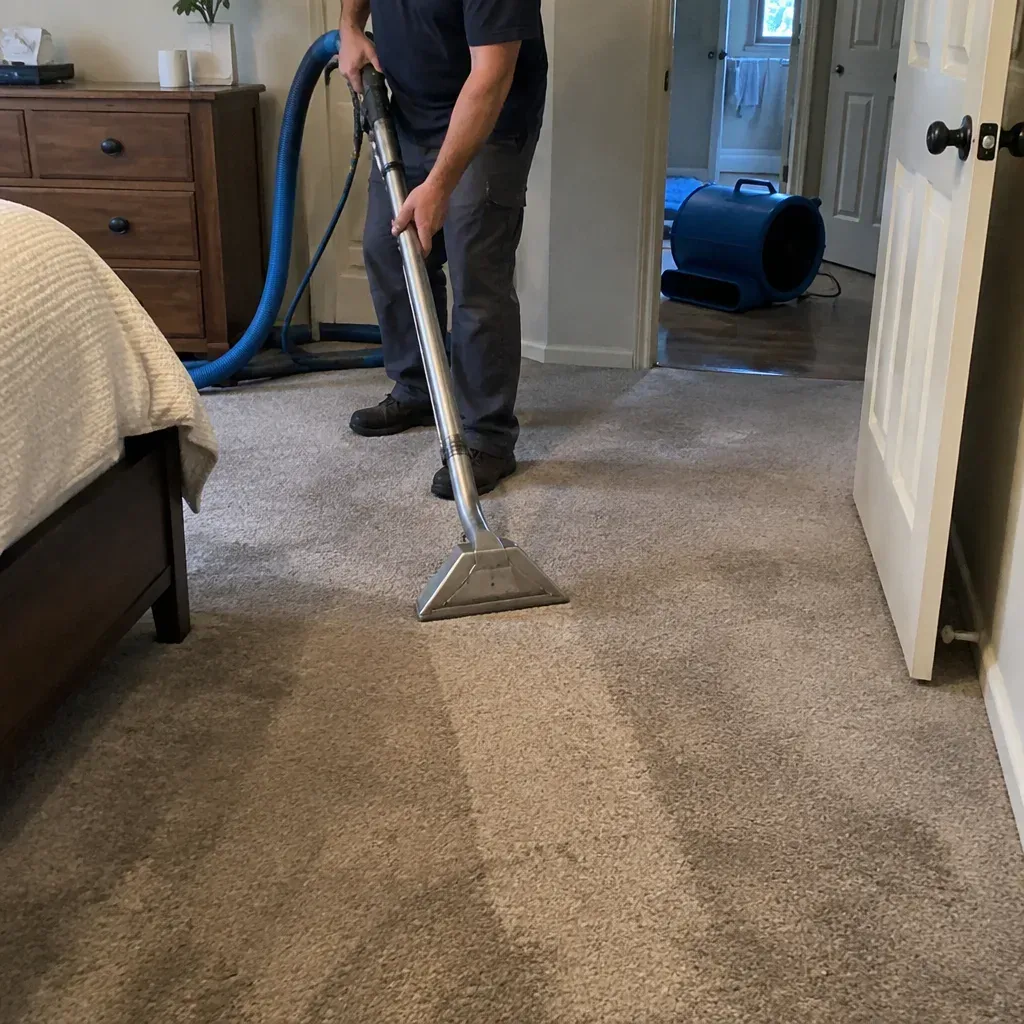
Check nearby flooring and baseboards for dampness, since water may spread beyond the visible mark. A split line can keep releasing water even if the wet mark appears elsewhere. For a Boulder ranch or split-level, tell the pros we connect you with what is visible; ask whether your address is covered, when they may come, and what visit charges apply. Call (303) 565-8339 to discuss repair options. Pipe work addresses the line; extraction, drying, and rebuilding may need another provider. If relevant, give landmarks such as Jamestown Town Hall, Little James Creek, or James Creek.